
EC withholds 17 MP hopefuls, 1 PM nominee pending checks
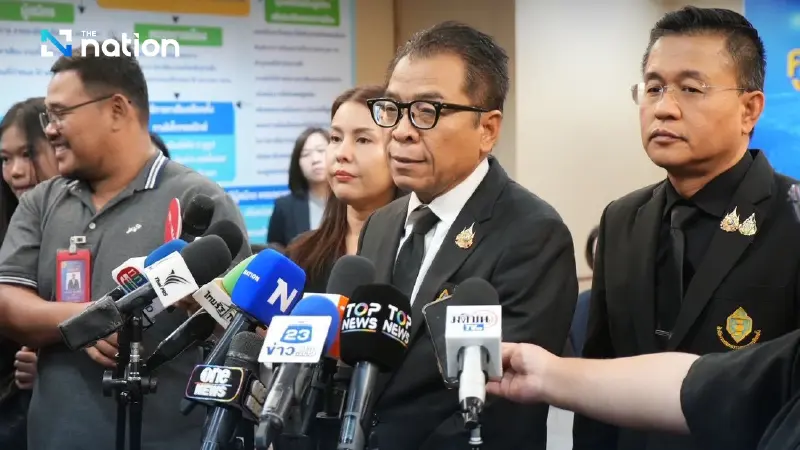


Election Commission has yet to endorse 17 MP candidates and 1 PM nominee pending eligibility checks. Appeals can be filed with the Supreme Court.
Election Commission (EC) has not endorsed 17 parliamentary candidates and one prime ministerial nominee while eligibility checks are still under way, EC secretary-general Sawaeng Boonmee said on Thursday, January 8, 2026.
Sawaeng Boonmee said the EC did not publish the names of 16 constituency MP candidates and one party-list candidate, as well as one PM nominee, because qualifications are still being reviewed. The specific grounds have not been confirmed, but possible issues include failure to meet legal requirements such as the minimum period of party membership before election day, or other legal obstacles including court rulings.
Sawaeng said those whose names were not endorsed can still file an appeal with the Supreme Court under the legal procedure.
For candidates whose names have already been endorsed, members of the public may file objections with the EC within seven days of the announcement if there are grounds to believe a candidate lacks qualifications.
Voter roll update for February 8 election
Sawaeng Boonmee said the EC has not yet received the official number of eligible voters from the Interior Ministry because data is still being compiled and verified, with a risk of omissions. This comes after the end of registration for advance voting and out-of-constituency referendum voting on January 5.
The next step is verification against household registration records before printing voter lists for posting at polling stations, allowing the public to check for missing or added names. The Interior Ministry is expected to submit the full voter roll data to the EC by January 13.
Policy scrutiny panels: oversight, not veto power
On criticism over the EC setting up 21 committees to review parties’ campaign policies, Sawaeng Boonmee said the move is based on the political parties law (Organic Act), Section 57, aimed at monitoring policies that could harm the country.
Sawaeng said policy-making remains the right of political parties, and the law sets a flexible framework requiring parties to provide at least four elements, including funding sources, budget impact, and policy benefits and drawbacks. The committees do not have authority to order parties to stop proposing policies, but can provide observations and information to voters.
Sawaeng Boonmee said if the EC were to ban or decide that a policy cannot be implemented, it could undermine neutrality and create perceptions of bias. The EC’s role is to check whether policy proposals include sufficient detail required by law — for example, clearly specifying funding sources rather than vague references to “the state budget”. The EC can request additional information if needed.
Sawaeng Boonmee said six political parties have already submitted policies for review, and parties may submit additional proposals until January 19.
Online conduct and an E-War Room
On online clashes between supporters of different parties, Sawaeng Boonmee said most candidates and parties are already cautious, as social media content can be used as legal evidence. Supporters should also take care, as some actions can violate election law and carry penalties similar to those faced by candidates.
To address this, the EC has opened an E-War Room to monitor potential election-law violations online, working with the Digital Economy and Society Ministry and social media platforms such as Facebook and TikTok. Content flagged as potentially illegal will be analysed by a working group and then submitted to the EC. If a violation is found, steps will be taken to have the content removed.
