
EC defends barcode use on ballots, affirms it does not compromise voting secrecy
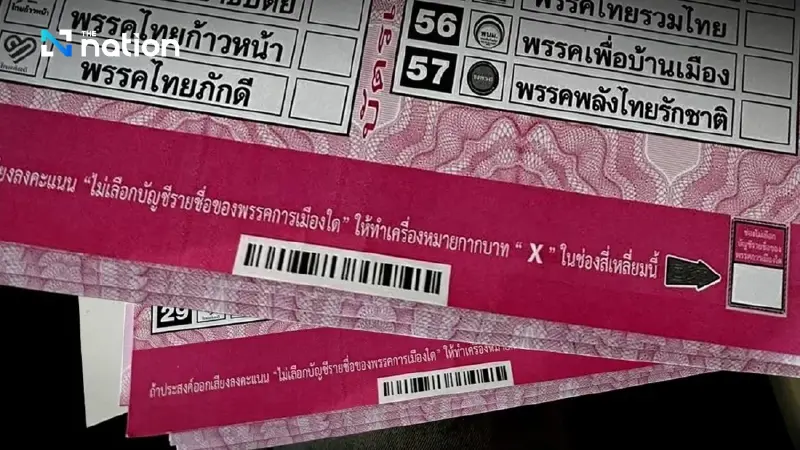


EC fights back, reaffirms that barcode use on ballots is to prevent fraud without compromising voting secrecy or directness, and warns of legal action for spreading misinformation
On February 14, 2026, the Election Commission (EC) issued a press release clarifying that the ballot papers for the upcoming general election have barcodes to prevent fraud. The commission emphasized that these barcodes do not interfere with the secrecy or direct nature of voting as prescribed by the constitution. The EC also warned those spreading misinformation that they could face legal consequences under the Computer Crime Act.
The EC’s statement comes in response to news reports and claims that the barcodes printed on the ballot papers used for the election of Members of Parliament (MPs) could undermine the secrecy of the vote. It was suggested that the presence of barcodes might compromise the direct and confidential nature of the voting process.
The EC clarified that the voting process for this election remains "direct and secret," as stipulated in the constitution. Voters must cast their votes in private, in the voting booth, and personally deposit their ballots. Voters are prohibited from revealing or photographing their marked ballots to ensure the secrecy and independence of the vote. The use of barcodes is intended to provide an additional measure to safeguard the election process, ensuring that no one can trace or verify how a vote was cast.
The EC further warned individuals who are spreading false information about the election process, stressing that they may face legal consequences under the Computer Crime Act for attempting to distort or mislead the public regarding the integrity of the election process.
