
Tourism Council outlines 5 strategies to recover southern tourism sector hit by flooding
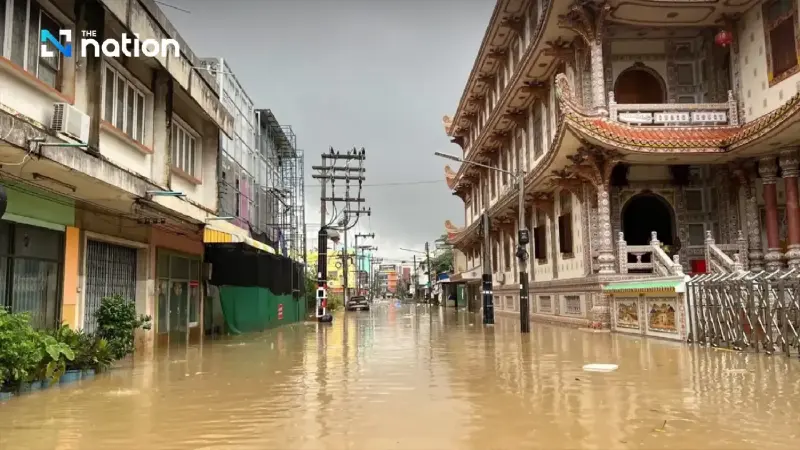


The Tourism Council of Thailand presents a 5-strategy plan to boost southern tourism recovery after devastating floods, including soft loans, infrastructure repair, and marketing campaigns.
The Tourism Council of Thailand (TCT) has assessed that the recent floods in Southern Thailand have caused extensive damage to the tourism sector, estimated to cost billions of baht. This includes damage to infrastructure, tourist sites, businesses, and the labour force in the industry, which has resulted in disrupted economic activities, reduced community income, and severe liquidity problems for operators.
Ratchaporn Poonsawat, TCT Vice-Chairman, said that with Thailand entering the high season in Q4 2025 and the Chinese New Year holiday approaching, it is urgent that the government implement measures to restore tourism to its pre-crisis level, ensuring that the sector can operate with standards in place as soon as possible.
To facilitate this, the TCT has proposed a 5-point strategic plan for tourism recovery in the southern flood-affected areas. The plan is designed to allow full operational recovery within 60 days, in time for the Chinese New Year celebrations in early 2026. The key strategies are as follows:
Strategy 1: Infrastructure and tourist site recovery
The first step focuses on urgently repairing essential infrastructure within 45 days, including roads, electricity, water, internet, and public safety systems. Efforts will include cleaning tourist sites and preparing ports for safe travel, along with implementing flood warning systems and emergency response units. These measures aim to ensure that tourists can return safely.
Strategy 2: Financial and banking measures
The TCT has proposed a 12-month debt moratorium for tourism businesses, allowing them to defer principal and interest payments. In addition, a soft loan programme with a 2% interest rate and a repayment period of 5 years is recommended, with funds available for repairs and working capital. The programme also includes a loan guarantee from the Thai Credit Guarantee Corporation (TCG).
Strategy 3: Market recovery and communication
The TCT suggests a “Travel South, Help Thailand” campaign to encourage domestic tourism, with the government covering hotel and travel costs for Thai nationals, using the "Half-Half Thai Travel" model. The plan also includes promotional tax incentives for companies hosting events and meetings in flood-affected areas. For international markets, especially China, the TCT proposes a “Thailand is Ready” campaign, including increased flights during Chinese New Year, targeted advertising, and mega fam trips for journalists and influencers.
Strategy 4: Labour development and training
The TCT proposes a training programme to equip workers with new skills, particularly in Chinese and English language services, safety, and first aid. The government will also exempt employers and employees from social security contributions for 6 months during the recovery period.
Strategy 5: Integrated management plan
An integrated tourism recovery command centre will be established, bringing together key agencies including the Ministry of Tourism, Ministry of Labour, Bank of Thailand, Tourism Authority of Thailand (TAT), Airports of Thailand (AOT), Immigration Police, and local business associations. Weekly progress reports will be submitted to the Cabinet to track the recovery process.
Ratchaporn stated that the TCT urges the government to approve these measures, including the debt moratorium, the soft loan scheme, and funding for infrastructure repairs and marketing campaigns. These actions are expected to help tourism businesses return to 80-100% capacity within 60 days, significantly boosting tourism revenues during the Chinese New Year period. Additionally, the soft loans will help ensure businesses maintain liquidity and reduce the risk of bankruptcy.
On the social and labour side, it is expected that 90% of workers will return to employment, and tourism communities will see a rise in income, reducing the impact on their quality of life. International markets will regain confidence in Thailand's ability to ensure safety standards following the crisis, and the “Thailand is Ready” campaign will position the country as a welcoming destination for tourists.
