
Songkran 2026 draws huge Thai and foreign turnout as festival goes global


TAT expects Songkran 2026 to generate over 30 billion baht nationwide, up 6%, underscoring Thailand’s rise as a global festival destination
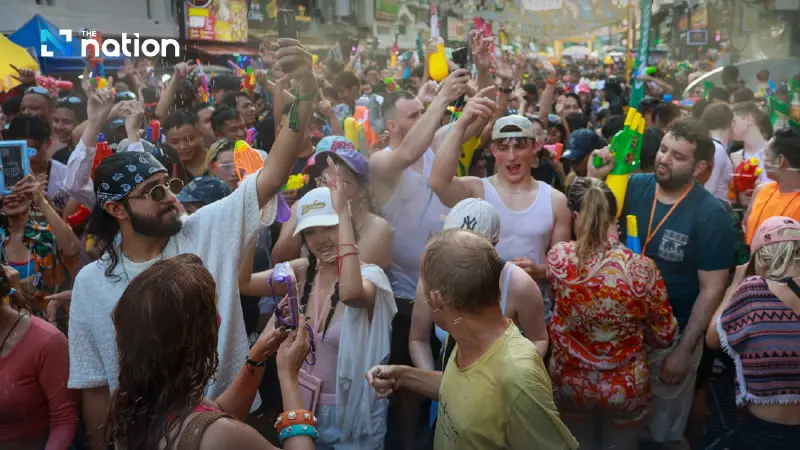
Songkran 2026 has brought a stronger-than-expected tourism surge across Thailand, with both Thai and foreign visitors turning out in large numbers nationwide in a sign that the traditional new year celebration is continuing to grow into a festival with global appeal.
The Tourism Authority of Thailand (TAT) expects travel during the Songkran period from April 11-15 to generate more than 30.35 billion baht in tourism revenue nationwide, up 6% from the same period last year. The agency says the strong performance reflects growing confidence among both domestic and international travellers, who have been travelling in large numbers during the long holiday and helping spread income across the tourism sector and local economies.

TAT Governor Thapanee Kiatphaibool said the atmosphere surrounding Songkran events in many parts of the country had been livelier than expected. She said this year’s success highlighted the enduring pull of Thai cultural charm and showed clearly that Songkran could attract visitors from around the world.
She said the strong response was the result of close cooperation between the public and private sectors, as well as local communities, in working together to elevate Songkran into an international festival. The effort, she added, was being driven under the concept of value-based tourism, with Thailand’s cultural identity promoted through tradition, food, creativity and local character.

Thapanee thanked all public and private partners involved in organising Songkran events across the country, saying the response had been overwhelmingly positive, with both Thai and foreign visitors joining festivities in large numbers in many areas. Beyond creating a festive atmosphere and memorable experiences, she said, the celebrations were also helping to drive economic activity at every level, from major cities to secondary destinations.
TAT said it would continue building on Thai festivals as part of its push to position the country as a global festival destination, while also promoting more meaningful and sustainable tourism.
In Bangkok, major Songkran venues have all reported heavy turnout, including Silom Road, Siam Square and Khao San Road. TAT’s two flagship events in the capital have also drawn strong crowds.
At the Maha Songkran World Water Festival 2026 at Benjakitti Park, held in Bangkok, attendance from April 11-13 reached 108,640 people. Of these, 56,368 were Thai visitors and 52,272 were foreign tourists, underlining the international appeal of the festival. The event also generated an estimated 283.68 million baht in economic circulation and impact.


Meanwhile, the Saneh Art by Songkran Festival 2026 at Lumpini Park has proved especially popular among younger visitors, many of whom have turned out to take photos and check in with the event’s trending characters and installations. Attendance there has already exceeded 94,546.
Beyond Bangkok, Ayutthaya remains one of the most popular Songkran destinations in the country. Its signature “Songkran with elephants” activity continues to attract both Thai and foreign tourists, creating a colourful spectacle that strongly reflects Thai identity while blending cultural charm with festive fun.
The North and Northeast have also remained lively, with many provinces combining Songkran celebrations with local traditions such as bathing Buddha images, cultural processions, the Rod Nam Dam Hua water-pouring ceremony for elders, and designated water-play streets. These activities have drawn large numbers of visitors and helped showcase the warmth and distinctive identity of local ways of life, while offering what TAT described as a meaningful travel experience.
In the South, tourism has expanded significantly, particularly in Songkhla, where traffic through the Sadao border checkpoint has remained strong, especially from Malaysian visitors. Between April 10 and 12, more than 36,000 travellers passed through the checkpoint. Average hotel occupancy has stood at around 80%, and the province is expected to welcome more than 70,000 visitors, generating over 700 million baht in local circulation.
Songkran events in high-potential southern border areas have also drawn strong interest. In Betong district of Yala and Sungai Kolok district of Narathiwat, events such as “Suk Sanuk Songkran Chaidaen Tai” and “SUNGAIKOLOK Midnight Songkran 2026” have attracted both Thai and foreign visitors, particularly from the Malaysian market. TAT said the response reflected the potential of border towns to develop as cultural tourism and nightlife destinations.

Looking at the national picture, TAT forecasts that Songkran travel between April 11 and 15 will generate total tourism revenue of 30.35 billion baht, up 6% year on year.
For the international market, the agency expects around 500,000 foreign arrivals during the period, up 4%, generating approximately 8.1 billion baht, an increase of 2%.
For the domestic market, TAT projects 5,963,000 Thai visitor-trips, up 7%, with tourism revenue of around 22.25 billion baht, also up 8%.
TAT said it remained confident that Songkran would be one of the key drivers of Thailand’s tourism industry, serving as an important mechanism for generating income, widening economic opportunity and strengthening the country’s image as a world-class festival destination capable of delivering meaningful and sustainable travel experiences to visitors from around the globe.
