
Hotel group asks Anutin to rethink visa-free stays and OTA taxes
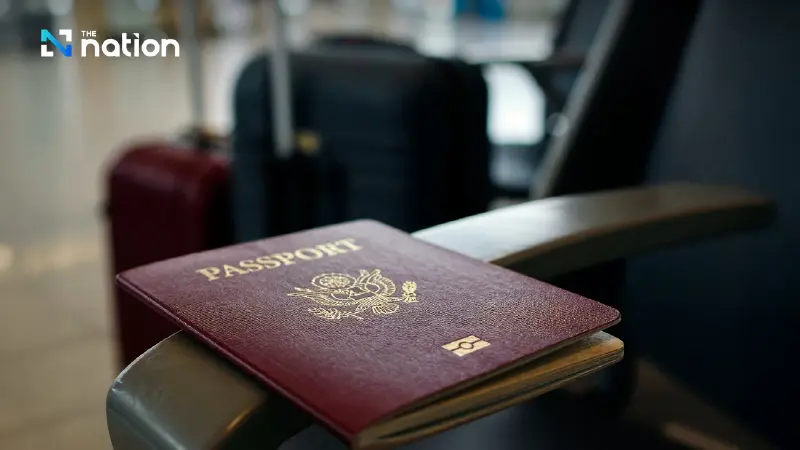


Thai Hotels Association proposes eight tourism measures, including visa-free revisions, OTA tax rules and support for domestic travel.
The Thai Hotels Association (THA) has submitted eight tourism-related proposals to Prime Minister and Interior Minister Anutin Charnvirakul, including a review of the 60-day visa-free scheme and new regulations requiring foreign online travel agents (OTAs) to pay tax properly in Thailand.
Thienprasit Chaiyapatranun, president of the THA, told Thansettakij after a meeting between the prime minister and senior executives from 10 key business sectors at Government House in Bangkok on Friday (May 15).
He said the association had raised eight key issues aimed at reducing travel costs, supporting domestic tourism, strengthening licensed hotels and improving the competitiveness of Thailand’s tourism industry.
The first issue concerned the Middle East situation, which has pushed up global crude oil prices, leading to higher airfares and flight cancellations. Thailand, he said, should make travel to the country more affordable.
The association proposed that the government support charter flights on several routes to help lower travel costs for visitors to Thailand. It also called for a co-payment scheme to stimulate domestic tourism.
The government was also urged not to introduce a proposed 1,000-baht exit fee at this time, with the association saying the plan should be considered carefully.
Thienprasit said the recent increase in Chinese visitors to Thailand was partly linked to strong two-way travel, as many Thais were also travelling to China. This had helped airlines become profitable and increase the number of flights between the two countries.

Visa-free scheme still needed, but should be reviewed
Under the second proposal, the association said visa-free measures for tourism remained necessary, but the government should reconsider applying the same policy to all 93 countries.
It suggested that Thailand could tailor the policy according to the potential of each market, including the permitted length of stay and the number of entries allowed each year.
The association also proposed measures to prevent visa runs. For example, travellers who enter Thailand under the visa-free tourism scheme could be barred from using the same privilege again for at least 60 days after their entry.

Thai booking platform proposed for licensed hotels
The third proposal called for the government to support the development of a Thai hotel booking platform that would connect Thai travellers with properly licensed hotels.
The association said such a platform could offer lower marketing fees than foreign online travel agents, allowing travellers to pay less for accommodation while enabling hotels to receive better rates than they currently do through foreign OTA platforms.
It noted that domestic tourism generated 1.16 trillion baht in 2025, with accommodation accounting for around 20–25% of total spending.
The fourth proposal called for legislation to regulate foreign OTAs to ensure that marketing fees are properly taxed by the state.
The association also urged the government to consider setting fairer commission rates, saying current rates were very high, and to scrap rate parity rules, which it said had already been abolished in several European countries.

Transport links needed to spread tourism
The fifth proposal called for the development of transport networks to help distribute tourism to secondary cities. The association pointed to rail systems in Japan and Spain as examples of transport networks that had successfully supported tourism beyond major destinations.
The sixth proposal urged the government to support the development of new tourist attractions. One possible approach, the association said, would be to invite foreign investors to help develop man-made destinations on high-potential land plots.
Potential sites could include Klong Toei Port and areas in the Eastern Economic Corridor (EEC), which could be developed into convention and exhibition centres, sports venues, concert halls, hotels, shopping centres and world-class theme parks.
The seventh proposal called for low-interest loans for small and medium-sized hotels to renovate their properties and improve energy efficiency.
The final proposal urged stricter controls on cannabis smoking in public areas, warning that the issue could affect repeat visitors to Thailand.
