
Trump orders tariff exemptions for trade partners effective Sept 8
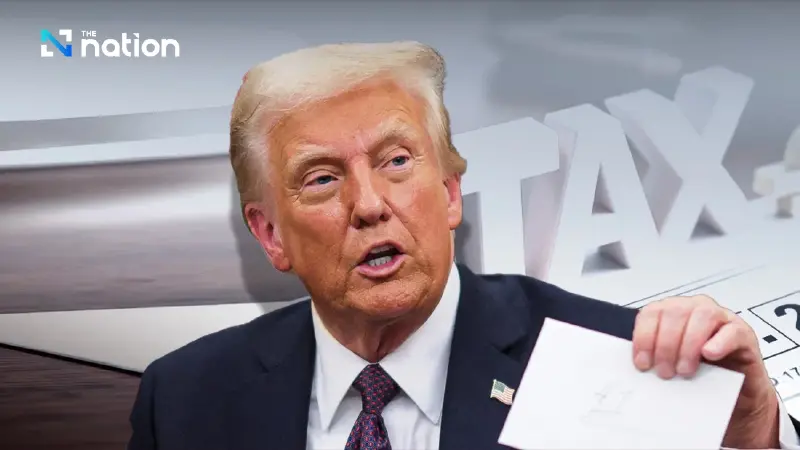


US President Donald Trump signed a new executive order on Friday (September 5), granting tariff exemptions to countries that reach export agreements with the United States.
According to Thansettakij, the measure will take effect at 00:01 on Monday ( September 8), marking another significant step in Trump’s trade strategy, which has relied on both raising and relaxing tariffs to pressure partners and reshape global trade.
The order covers more than 45 categories of goods, particularly industrial products that the US cannot produce domestically or in sufficient quantities.
These include nickel, essential for stainless steel and electric vehicle batteries; gold in all forms, from powder and foil to bullion; and compounds used in producing generic medicines such as the anaesthetic lidocaine and reagents for medical testing. Other items include chemicals, graphite, neodymium magnets, and LED lightbulbs.
A central feature of the order is linking tariff exemptions to “reciprocal trade agreements” that countries must enter into with the US. Trump made clear that any tariff reductions depend on “the scope and economic value of the commitments a partner makes to the United States,” as well as on America’s national interests.
The move aligns the US tariff structure with existing obligations, such as agreements with Japan and the European Union, while also creating new pathways for agricultural products, aircraft and parts, and patent-free pharmaceutical products to qualify for exemptions without requiring new executive action.
By invoking Section 232 of the National Security Act, Trump reinforced his trade strategy. In the first seven months of his presidency, he has pursued aggressive tariff measures to pressure trade partners, reduce the US trade deficit, and maximise leverage in international negotiations.
For some countries, the order could act as both pressure and incentive. Switzerland, for instance, currently faces import tariffs on gold as high as 39% but has yet to conclude a reciprocal trade agreement with the US. Should it succeed, those tariffs would be lifted immediately.
