
AWS outage shakes digital world, sparks debate over cloud reliance
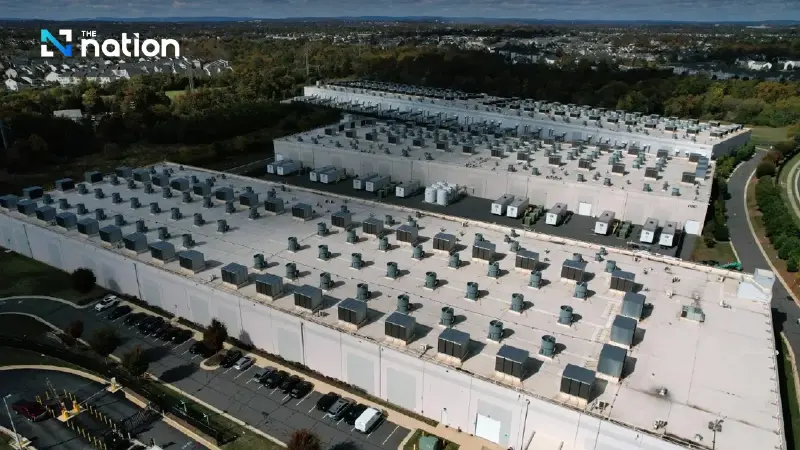


A massive AWS outage disrupts 2,000 firms globally, exposing risks of overreliance on major cloud providers amid rising digital dependency
Amazon Web Services (AWS) suffered a major outage that rattled the stability of the digital world, disrupting over 2,000 global companies across sectors from social media and gaming to banking and education.
The disruption stemmed from technical issues at the US-EAST-1 data centre in Virginia, not a cyberattack. Amazon later confirmed the cause was “a failure in an internal subsystem responsible for monitoring the status of network load balancers.” In simple terms, the system designed to manage internal traffic flow collapsed, causing a chain reaction that paralysed critical services.


Widespread disruption across industries
More than 8 million problem reports were logged globally, according to Downdetector. Among the affected platforms were:
- Social media and communication: Snapchat, Signal, Reddit
- Gaming and entertainment: Roblox, Fortnite, PlayStation Network, Epic Games
- Everyday services: Ring doorbells, Duolingo, Peloton, Lyft, MyFitnessPal, Canvas
- Financial and business services: Lloyds Bank, Halifax, Bank of Scotland, Coinbase, Robinhood, Venmo, Slack, and the UK’s HMRC website
- Amazon’s own services: Amazon.com, Prime Video, and Alexa
Amazon’s response

AWS engineers imposed restrictions on new activity requests to reduce system load while restoring services. It took over 15 hours before Amazon declared most systems had returned to normal, though some processes required additional time to clear backlogs.
Impact on users and businesses

Beyond the technical scope, the outage caused chaos in everyday life. Ring doorbells went offline, students couldn’t access Canvas for online learning, Lyft users were unable to book rides, and even financial transactions failed — one parent in Scotland couldn’t transfer money via mobile banking to buy baby formula.
Economists warned that even brief cloud disruptions cause major losses in productivity and revenue. Legal experts added that affected businesses might pursue claims based on AWS service level agreements (SLAs).
Broader concerns about cloud concentration
The event reignited debate over systemic risk arising from reliance on a few dominant cloud providers. Policy experts urged greater diversification in cloud computing, arguing that entrusting critical infrastructure to a handful of tech giants poses unacceptable risk.
However, engineers on forums such as Hacker News noted that implementing multi-cloud or multi-region systems remains prohibitively expensive and complex for most firms. Vendor lock-in further complicates matters, especially for companies using AWS-exclusive services like DynamoDB or Redshift, which make migration costly and difficult.
This “vendor lock-in” is akin to building a house with custom doors and windows that only one manufacturer can replace. High data transfer fees (known as egress costs) add another barrier, making multi-cloud strategies impractical for many.
The lesson for the future
The AWS outage underscored the fragility of the modern digital ecosystem. It highlighted a trade-off that every business faces: the efficiency and low cost of relying on dominant cloud providers versus the flexibility and resilience of spreading risk across multiple systems.
