
Delhi’s air quality turns ‘hazardous’ after Diwali fireworks raise PM2.5 levels 59 times above WHO limit
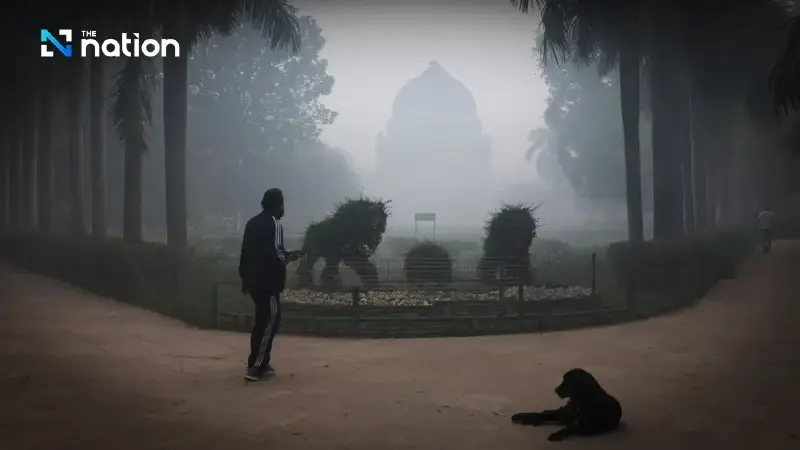


Delhi’s AQI hit 442 after Diwali fireworks, with PM2.5 levels 59 times above WHO limits despite curbs on firecracker use, IQAir and CPCB report
The air quality in New Delhi has plunged to ‘hazardous’ levels, with heavy fireworks during the Diwali festival identified as the primary cause, according to data from IQAir, a Swiss air-quality monitoring organisation.
Despite a court order restricting the use of “green firecrackers” for only three hours a day on Sunday and Monday, fireworks were set off beyond the permitted hours in several parts of the city, according to Reuters reporters.
Alarming pollution levels

IQAir reported that New Delhi’s Air Quality Index (AQI) stood at 442, placing it in the ‘hazardous’ category, making it the most polluted major city in the world at present. The level of PM2.5 particles — fine particulate matter that penetrates deep into the lungs and bloodstream — was measured at 59 times higher than the World Health Organization’s (WHO) annual safety guideline.
The Central Pollution Control Board (CPCB) rated the city’s air quality at 350, classified as ‘very poor’. The CPCB defines AQI values between 0–50 as “good,” while readings above 300 indicate “very poor” to “severe” pollution.
The Ministry of Earth Sciences of India predicted that New Delhi’s air quality would remain between ‘very poor’ and ‘poor’ in the coming days, with AQI levels fluctuating between 201 and 400.
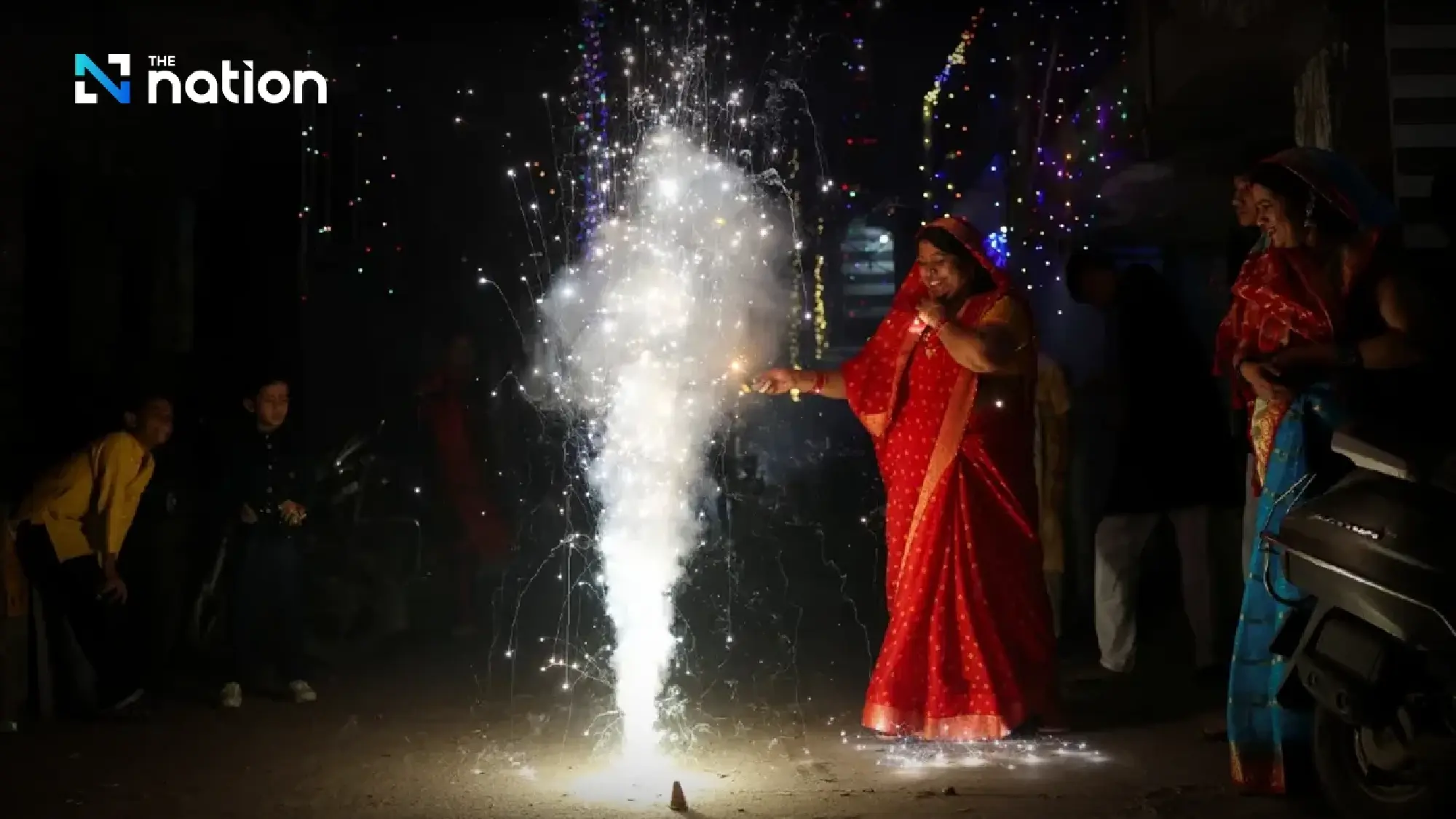

Fireworks worsen annual winter smog
Every winter, India’s capital and its surrounding regions are shrouded in thick smog caused by a combination of cold, stagnant air, construction dust, vehicle emissions, and crop-burning smoke, trapping pollutants close to the ground. The toxic air affects over 20 million residents, many of whom suffer from respiratory illnesses.
Authorities have previously responded by closing schools, halting construction projects, and restricting private vehicle use to reduce pollution levels.

Environmental toll of fireworks
Fireworks are a long-standing tradition in Diwali celebrations but come with severe environmental consequences. They contain oxidisers, fuels, and chemical additives that produce vibrant colours and smoke, releasing heavy metals and fine particulates (PM2.5) into the air.
Research shows that fireworks can increase air pollution by up to 42% and raise PM2.5 concentrations tenfold. Many of the heavy metals and chemical compounds released are carcinogenic and harmful to the respiratory system.
With advances in technology, several countries have begun reducing traditional firework displays in favour of more environmentally friendly alternatives such as laser light shows and drone performances, offering spectacular yet sustainable celebrations.
