
Trump 2.0 Anniversary: EVs, Bitcoin, Stocks Hit New Highs Amid Volatile Bonds and Currencies
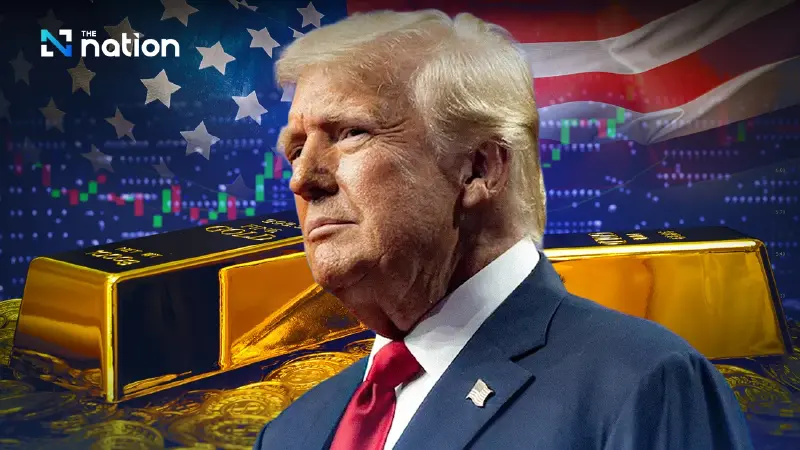


A year after Trump's victory, markets experience record highs in EVs, Bitcoin, and stocks, while bonds and currencies face volatility due to his economic policies
Since Donald Trump's victory in the 2024 US presidential election on November 5, the financial markets have experienced unprecedented volatility. This uncertainty, driven by constantly changing policies, has resulted in several assets hitting all-time highs, including stocks, gold, and cryptocurrencies.
Looking back at the historic moment when Trump won the election, the markets reacted immediately with the US dollar strengthening, and stocks and Bitcoin soaring. Bond yields also rose, reflecting expectations of Trump’s massive fiscal spending to stimulate the economy. Trump’s efforts to reshape global economic landscapes quickly included new trade agreements, supply chain changes, and tax increases, which sparked international trade negotiations.
US Dollar Fluctuates but Remains Key
The US dollar was one of the most reactive currencies to Trump's unpredictable policies. Following the election, the dollar surged as investors anticipated the economic boost from Trump's spending plans. However, the dollar’s value has since dropped by 4%. Despite this, the demand for the dollar remains high, especially in times of financial market turmoil or increased geopolitical tensions. Piotr Matys, a currency analyst, likened the dollar to "the cleanest dirty shirt," emphasizing that even with issues, it remains the best option compared to other currencies.
Gold and Bitcoin Reach New Highs
Trump’s tariffs and the uncertainty around their impact have pushed investors to seek alternative assets, with gold hitting a record high of $4,381 per ounce in October 2025. Meanwhile, the boom in cryptocurrencies, particularly Bitcoin, saw its price rise to $125,835.92, marking another all-time high.
AI Stocks Surge Amid Global Market Boom
The global stock markets have reached record highs this year, driven by two key factors: the AI boom and Trump’s policies. Trump's announcement of tariff increases on Liberation Day (April 2) caused a 10% drop in the MSCI World Index, but the market quickly rebounded, rising over 20% since November 2024.
AI-driven growth, especially in the S&P 500, has led to a 17% increase since November 2024. Meanwhile, Europe’s defense industry stocks have risen sharply as Trump’s policies push governments to increase security spending amid ongoing global conflicts, like the war in Ukraine.
In Asia, technology stocks in Japan, South Korea, and China have surged due to the AI wave and the weakened US dollar, pushing stock prices higher across these markets.
Tesla’s Role in Politics: Trump and Musk's Influence
The close relationship between Trump and Elon Musk, the world’s richest man, has been a key factor in driving Tesla’s stock price up significantly after the election. Musk invested over $250 million to support Trump’s campaign, resulting in Tesla’s stock price nearly doubling within two months, from its lowest point to a new high of $488.5 per share. This boosted Musk’s wealth to over $5 trillion, making him the first to reach that level.
However, Tesla’s momentum slowed after Musk launched the Department of Government Efficiency (DOGE) under Trump’s administration in January, which led to changing consumer loyalty. The CEO’s overt political involvement displeased customers, causing Tesla’s vehicle deliveries to fall for two consecutive quarters. Tesla’s stock hit its lowest point in April but began recovering after public tensions between Musk and Trump escalated and ended in a breakup in late November.
Despite these fluctuations, Tesla, the world’s most valuable car manufacturer, continues to outperform older competitors like GM, Ford, and Stellantis.
Bond Yields Surge: Concerns Over Trump’s Borrowing
Since Trump’s election, bond yields have surged across major economies, reflecting investor concerns about the increased borrowing by the government and the sustainability of fiscal policy. The key concern among US bond investors is the potential costs of Trump’s proposed tax cuts, particularly the "One Big Beautiful Bill," which is expected to increase the federal deficit by $3.8 trillion over the next decade.
Despite concerns over the deficit, the US Federal Reserve’s interest rate cuts and controlled inflation have kept 30-year US bond yields rising by 0.14% to 4.66% since November 2024. Meanwhile, other countries have seen even more significant increases in bond yields, particularly Japan, where 30-year bond yields surged by nearly 0.85%, and European markets such as France and Germany, which saw 30-year bond yields rise by 0.62% and 0.59%, respectively, as of November 5, 2025.
Trump’s Tariffs: Addressing the Trade Deficit?
Trump’s focus on the US trade deficit has led to policies aimed at countering what he believes is "cheating" by allied nations. Trump insists that tariffs are the only way to resolve this issue, and while these measures have increased business costs and complicated business planning, there is evidence suggesting they may be reducing the trade deficit. Recent data shows the US trade deficit dropped to its lowest in two years at $60.2 billion in June, and the trade deficit with China has decreased by 70% over the past five months, reaching its lowest point in over 21 years.
Despite the volatility created by Trump’s unpredictable policies, investors have learned to navigate these uncertainties. Particularly, the TACO strategy—“Trump Always Chickens Out”—has emerged, where investors anticipate Trump’s initial aggressive threats but expect him to back down and ease tensions later.
