
Eid Al Etihad: Celebrating the National Day of the United Arab Emirates
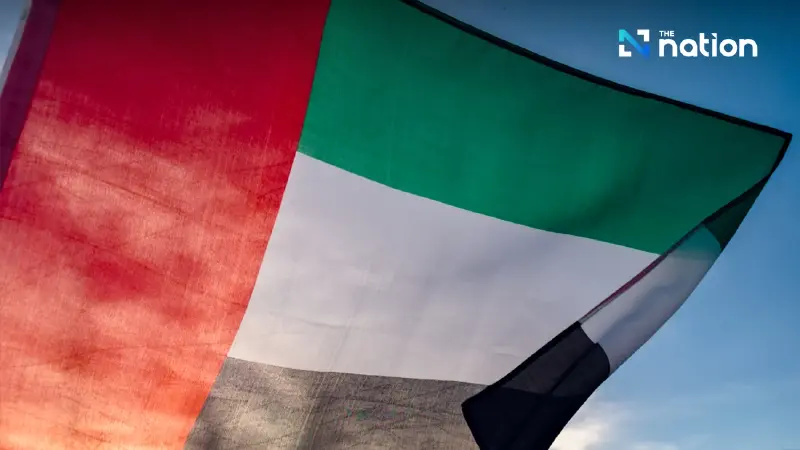


The United Arab Emirates celebrates its National Day, Eid Al Etihad, on December 2, marking the unity of the emirates and commemorating the vision of Sheikh Zayed bin Sultan Al Nahyan.
- Eid Al Etihad is the National Day of the United Arab Emirates, celebrated annually on 2 December.
- The day commemorates the unification of the seven emirates and the formation of the UAE federation in 1971, following the end of British treaties.
- Celebrations across the country include fireworks, car rallies, military processions, and air shows, with public spaces decorated in the colours of the national flag.
- Iconic landmarks like the Burj Khalifa often feature special displays, and Heritage Villages are set up to highlight the nation's traditional culture.
Eid Al Etihad, also known as the National Day of the United Arab Emirates (UAE), is a momentous occasion observed annually on December 2. This national holiday commemorates the unification of the seven emirates, marking the formation of the UAE federation.
The last emirate to join the union was Ras Al Khaimah, which officially became part of the federation on February 10, 1972.
Before the formation of the UAE, the emirates were part of the Trucial States, a British protectorate that had been established through truce treaties in 1820, 1853, and 1896.
In 1968, the British government, led by Prime Minister Harold Wilson, announced its decision to withdraw its forces from the region, which included the Trucial States. This decision, coupled with the growing geopolitical tensions in the region, led to calls for a union among the emirates.
The British, along with the Americans, encouraged the idea of a union, recognising that the individual emirates were vulnerable due to their small size and strategic location, surrounded by powerful neighbours like Iran and Saudi Arabia.

Initially, the proposed union was meant to include Qatar and Bahrain, but those efforts were abandoned as both countries declared independence in 1971. The situation became more complicated when Iran, backed by its naval forces, occupied the islands of Abu Musa, and the Lesser and Greater Tunbs, territories disputed with the UAE.
Despite these challenges, the UAE declared its independence on December 2, 1971, immediately following the expiration of British treaties. However, the emirate of Ras Al Khaimah did not initially join the union due to its disagreements over the Iranian occupation of the disputed islands and its alignment with Saudi Arabia.
The emirate later joined the UAE federation on February 10, 1972, completing the union. Sheikh Zayed bin Sultan Al Nahyan, the first president of the UAE, is widely regarded as the founding father of the nation.

The National Day celebrations
The UAE National Day is celebrated with grandeur across the country, with various activities that highlight the nation’s unity and pride. Fireworks, car rallies, and cultural dance shows are among the most popular activities.
People celebrate by dressing in the colours of the UAE national flag, decorating homes, workplaces, streets, and vehicles with the red, green, white, and black of the flag. Palm trees are often adorned with lights that mirror the flag's colours, while hotels and public spaces display flags and festive decorations.
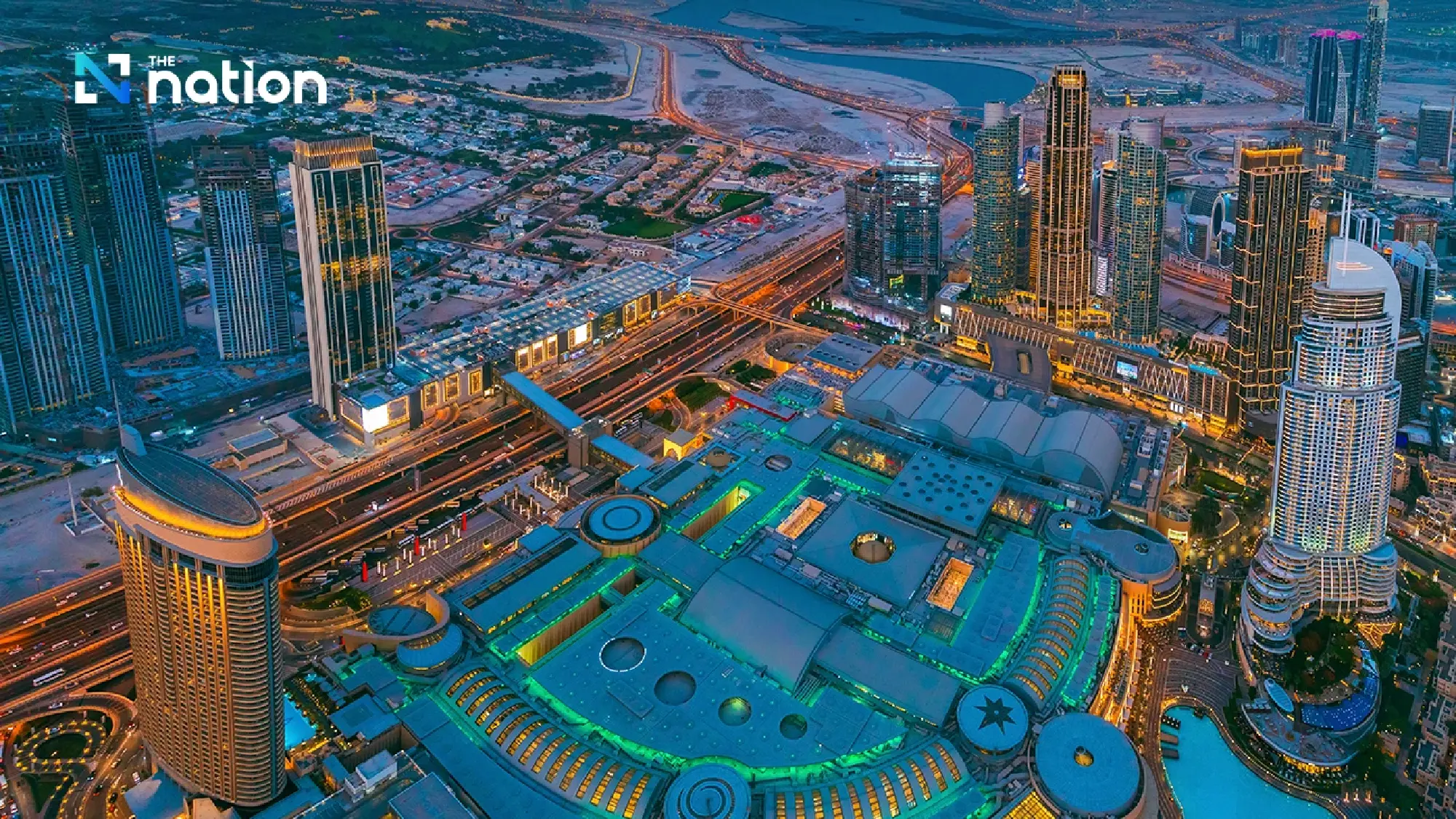
One of the most iconic displays during the National Day celebrations occurs in downtown Dubai, where the skyline is lit up with spectacular fireworks. The Burj Khalifa, one of the world’s tallest buildings, often hosts a display of the UAE flag.
Thousands of people gather in these areas to witness the impressive fireworks show, creating a vibrant atmosphere of patriotism and celebration. Shopping centres, malls, and other public institutions also join in, decorating their spaces with the national flag.
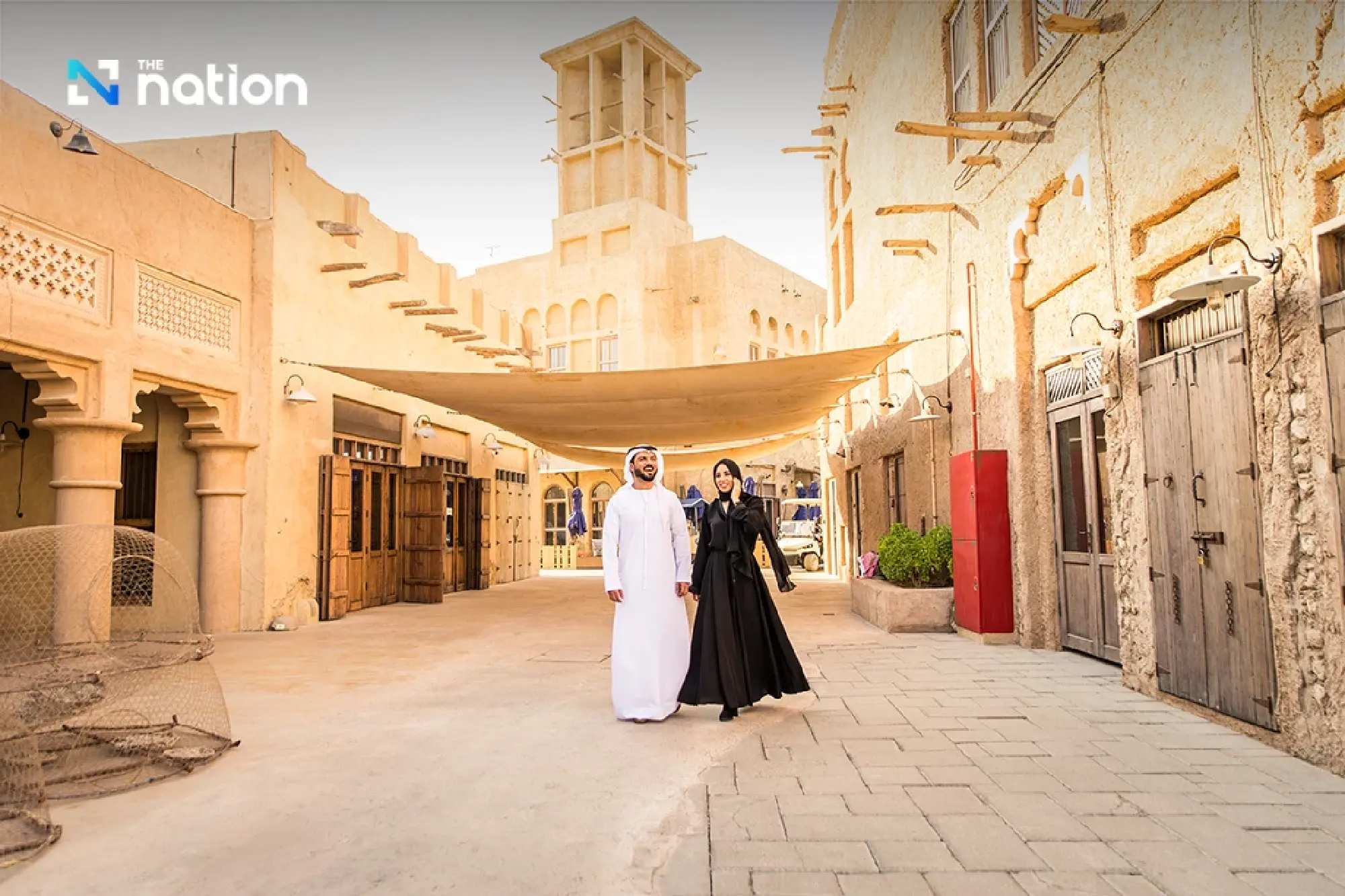
Heritage Villages are set up across the UAE to celebrate National Day in a traditional manner. The holiday typically lasts for two days, with December 3 also observed as a public holiday.
During the celebrations, air shows are held, and military processions take place at the Abu Dhabi National Exhibition Centre, attended by the rulers of the Emirates, members of the Federal National Council, and Emirati citizens.
The UAE National Day is further marked by grand fireworks displays and stunning air shows throughout various emirates. Iconic locations such as Abu Dhabi Corniche, Dubai Festival City, and Sharjah's Al Majaz Waterfront host these spectacular events, drawing large crowds.
The UAE Air Force aerobatic team, Al Fursan, often performs breathtaking aerial displays, adding to the patriotic atmosphere.

About United Arab Emirates
The United Arab Emirates, commonly referred to simply as the Emirates, is a country located in West Asia, at the eastern end of the Arabian Peninsula. It is a federal semi-constitutional monarchy comprising seven emirates, with Abu Dhabi as its capital.
The UAE shares borders with Oman to the east and northeast, and Saudi Arabia to the southwest, while its maritime borders are with Qatar and Iran in the Persian Gulf, and Oman in the Gulf of Oman.
As of 2024, the UAE has a population exceeding 10 million, with Dubai being the largest city. Islam is the majority religion, and Arabic is the official language, although English is widely spoken and used for business.
Considered a middle power in global affairs, the UAE has emerged as a prominent international hub for finance, tourism, and commerce, particularly through Dubai. Only 11% of the population are native Emiratis, with the vast majority being expatriates and migrant workers, primarily from South Asia.
The UAE has the seventh-largest oil reserves and significant natural gas reserves. In recent years, it has diversified its economy, shifting focus from natural resources to tourism, business, and technology, making it the most diversified economy in the Gulf Cooperation Council (GCC).

Where to travel in UAE?
The UAE, particularly Dubai, is a popular destination for many travellers. Known for its luxurious shopping malls, deserts, and world-class waterparks, it offers a unique blend of modernity and holiday relaxation.
Iconic landmarks such as the Burj Khalifa, the world’s tallest building at 829.8 metres, provide visitors with an unparalleled 360-degree view of the city from the 124th-floor observation deck.
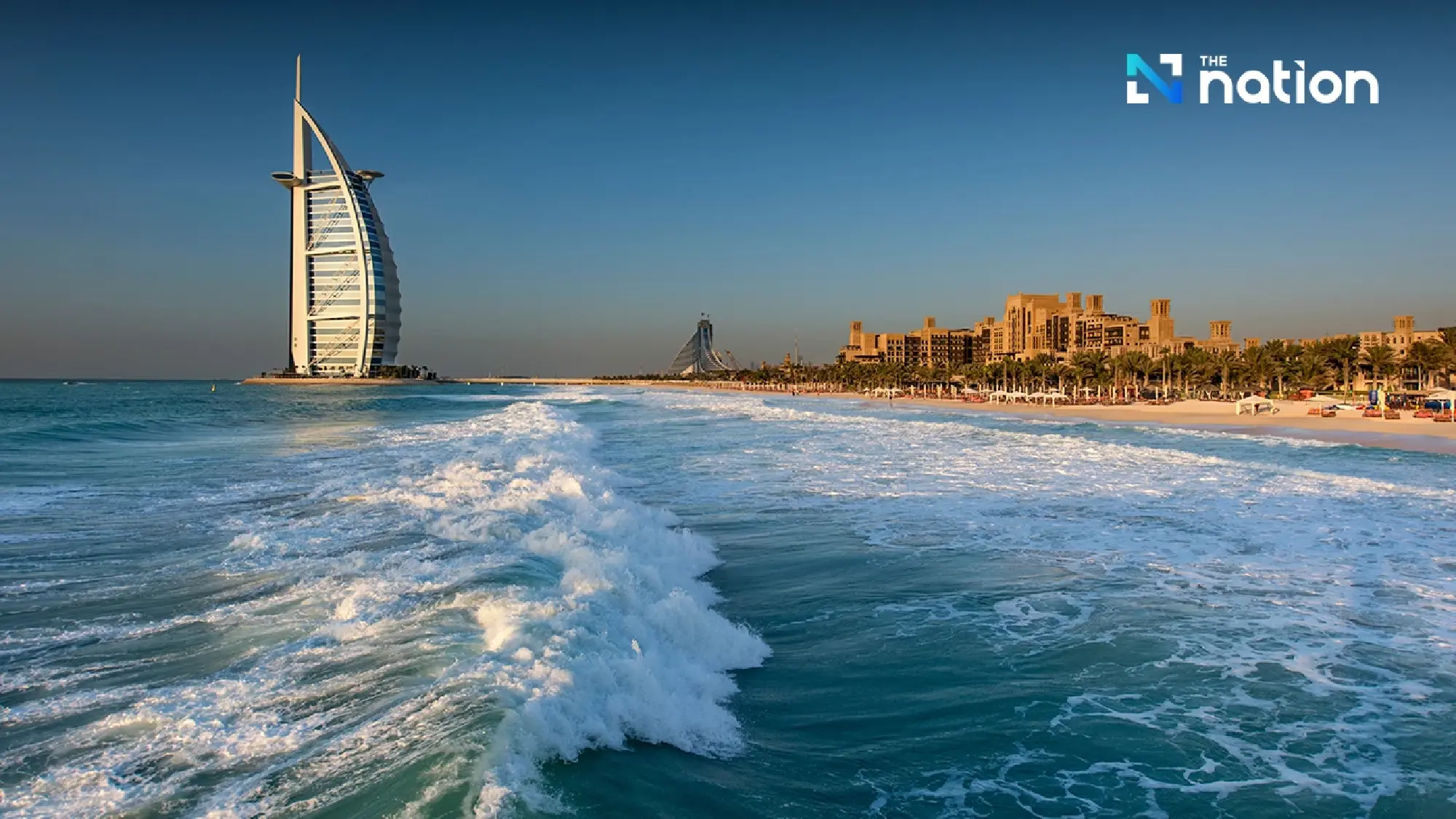
Another must-see is the Burj Al Arab, a luxury hotel standing at 321 metres, designed to resemble a sailboat on a private island in Dubai’s bay. While staying at this extravagant hotel may be out of reach for some, visitors can still enjoy the stunning surroundings by dining or exploring the area.
Sheikh Zayed Road, the bustling main thoroughfare of Dubai, offers visitors a glimpse of the city’s towering skyscrapers. The road is also home to many shopping centres and beauty stores, where you can purchase gold and pearl jewellery.
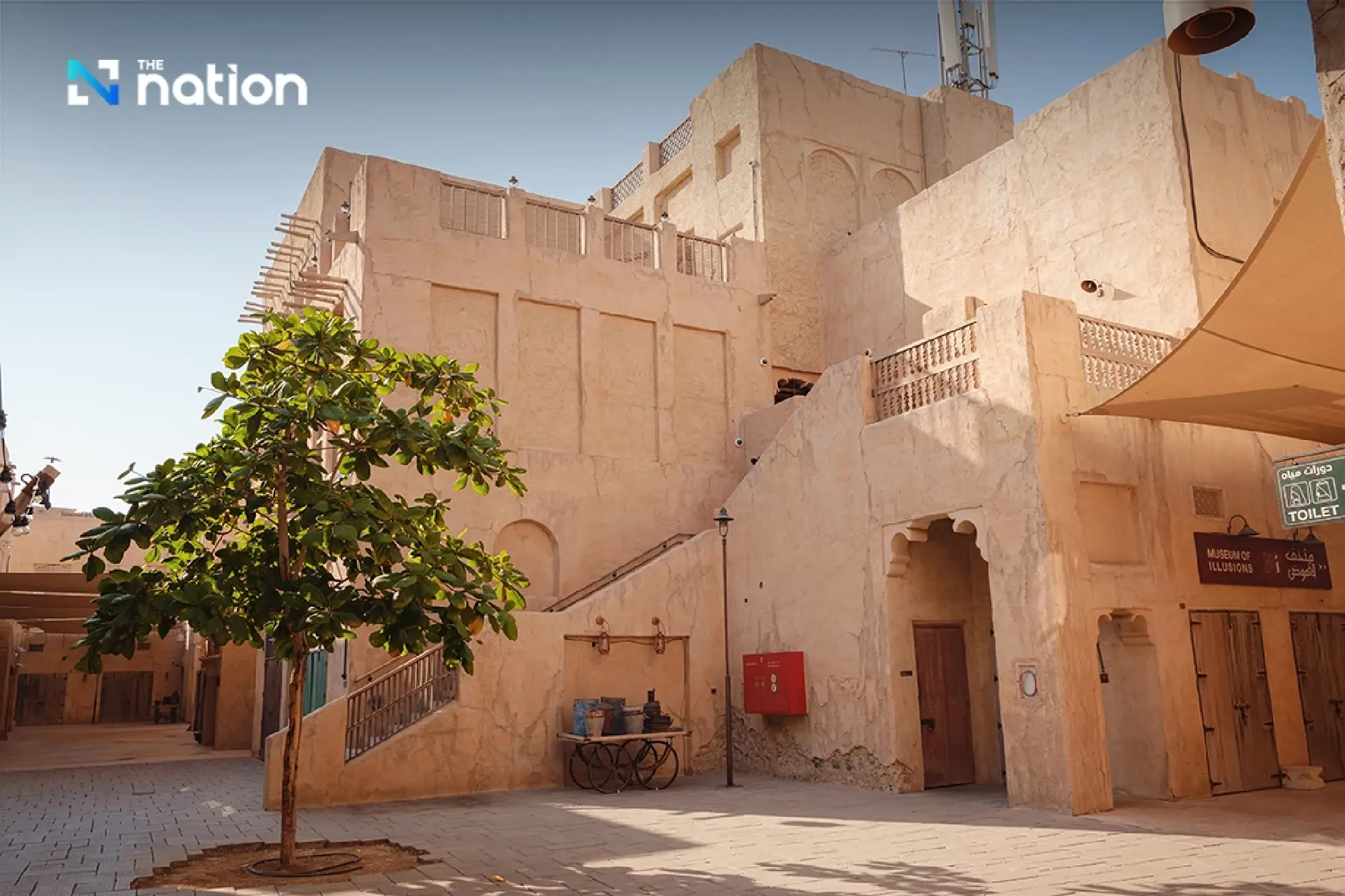
For a touch of history, Bastakia (Old Dubai) or Al-Fahidi offers a glimpse into Dubai’s past, with 19th-century Persian merchant houses.
Meanwhile, Sheikh Saeed Al Maktoum’s House, once the residence of Dubai’s ruler from 1924 to 1951, is now a museum showcasing traditional Arabian architecture. This area is perfect for those who appreciate classic design and enjoy snapping chic photos amid historic surroundings.

Relationship with Thailand
According to the Royal Thai Consulate-General in Dubai, the UAE is Thailand's top trading partner in the Middle East and the leading source of oil imports for Thailand, accounting for 41% of its oil imports.
As a major trade and re-export hub in the region, the UAE offers a significant opportunity for Thai products to enter the Middle Eastern market. The UAE plays a key economic role in the region, with substantial financial reserves and a sovereign wealth fund (SWF) that ranks second in the world.
The trade value between Thailand and the UAE stands at US$10.61 billion, with Thailand exporting US$2.83 billion and importing US$7.77 billion, resulting in a trade deficit of US$4.93 billion.
Key Thai exports to the UAE include automobiles, parts and components, fax machines, telephones, jewellery, air conditioners, computers, wooden products, and rubber goods. On the other hand, Thailand imports crude oil, refined oil, metal ores, scrap metal, chemicals, diamonds, gemstones, gold, plants, and paper products from the UAE.
In terms of tourism, 137,217 UAE nationals visited Thailand, while there are approximately 7,000 Thais living in the UAE, with around 80-85% working as migrant workers.
The strong economic ties and growing exchanges between Thailand and the UAE highlight a promising future for further collaboration in trade, investment, and tourism, fostering mutual growth and benefit.
