
Global Energy Shock as Iran Enforces Total Blockade of the Strait of Hormuz
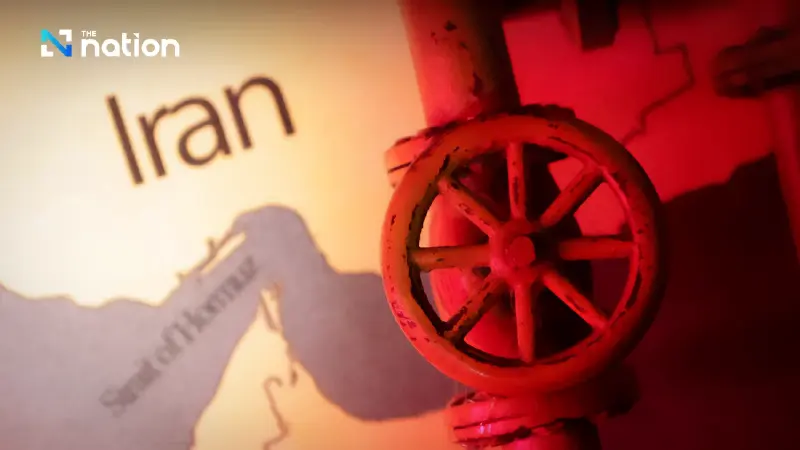


International shipping grinds to a halt as Tehran’s Revolutionary Guard declares a total ban on passage, trapping vessels and jolting global markets
- Iran's Revolutionary Guard has enforced a total blockade of the Strait of Hormuz, halting all maritime traffic through the chokepoint responsible for 20% of the world's oil supply.
- The closure has trapped dozens of vessels and forced major shipping lines, including Maersk and Hapag-Lloyd, to suspend transits or divert their fleets away from the region.
- The action is expected to trigger a severe energy crisis, with analysts warning that oil prices could double and European natural gas prices may triple, leading to global inflation and supply chain shocks.
International shipping grinds to a halt as Tehran’s Revolutionary Guard declares a total ban on passage, trapping vessels and jolting global markets.
The global economy is facing an unprecedented energy crisis this morning as Iran’s Revolutionary Guard Corps (IRGC) has officially enforced a total blockade of the Strait of Hormuz.
The closure, described by industry analysts as a "maritime deadlock," follows a series of joint US and Israeli military strikes across Iran on Saturday.
The IRGC has issued direct radio warnings to all vessels in the vicinity, stating that "no ship is allowed to pass" the 21-mile-wide chokepoint.
The move has effectively severed the primary artery for 20% of the world’s oil supply and a quarter of global liquefied natural gas (LNG) trade, trapping dozens of vessels inside the Persian Gulf and cutting off major trade hubs such as Jebel Ali.
Carriers Abandon the Region
In response to the blockade and the confirmed "official closure" of the waterway, global shipping giants have moved swiftly to protect assets:
Hapag-Lloyd: The German carrier has suspended all transits until further notice, citing the security situation as "mandatory" for the safety of crew and cargo.
CMA CGM & Maersk: Both firms have abandoned plans to return to traditional routes, with Maersk diverting major services around the Cape of Good Hope.
Tanker U-Turns: Satellite imagery shows a significant "logjam" near the Port of Fujairah, as tankers bound for Asia and Europe perform U-turns or halt mid-transit to avoid the exclusion zone.
Conflicting Commands Amid Military Tensions
While the British Royal Navy initially advised that Iran’s orders were not legally binding, the reality on the water has shifted to a de facto blockade.
The US Navy has warned that it can no longer guarantee the safety of any commercial navigation within the Gulf, the Gulf of Oman, or the North Arabian Sea.
Greece’s shipping ministry has issued an urgent advisory for all Greek-flagged vessels to avoid the region entirely, as insurance premiums for the remaining vessels in the area are expected to soar by up to 50% in the coming days.
Energy analysts at ICIS warn that a sustained closure could see natural gas prices in Europe triple, with oil prices potentially doubling if the blockade persists.
With 84% of the crude passing through Hormuz destined for Asian markets, the disruption is expected to trigger immediate inflationary pressures and supply chain shocks across the globe.
