
Only one in five Americans support Iran strikes as fear of military casualties and fuel hikes grows
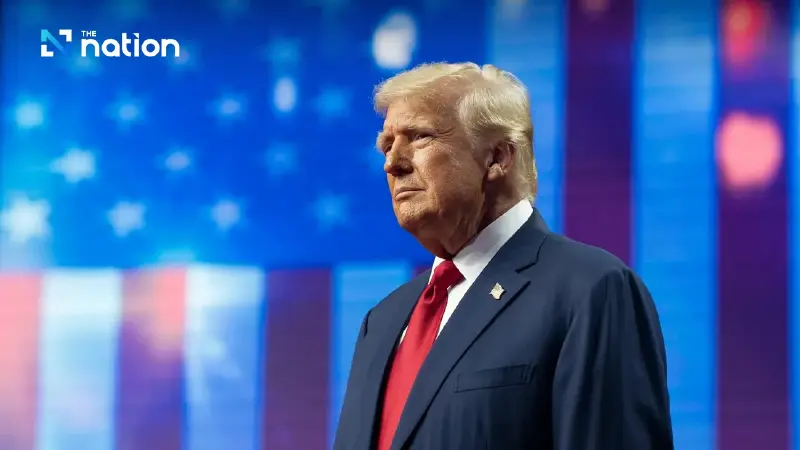


Reuters/Ipsos poll finds 56% of voters believe President Trump is too prone to military force, with energy costs and midterm elections looming
- A Reuters/Ipsos poll finds that only 27% of Americans support the strikes on Iran, with 56% believing the president is too prone to using military force.
- Support for the mission is fragile, particularly among Republicans, 42% of whom would reconsider their stance if U.S. service members were killed or wounded.
- Economic concerns are a major factor, as 45% of voters stated they would be less likely to support the campaign if it caused a rise in domestic fuel prices.
- The only significant condition for increased support is the complete halt of Iran's nuclear program, which would persuade half of all respondents to back the strikes.
Reuters/Ipsos poll finds 56% of voters believe President Trump is too prone to military force, with energy costs and midterm elections looming.
A Reuters/Ipsos poll has revealed that only 27% of Americans approve of the joint US-Israeli strikes on Iran, as the campaign threatens to destabilise the Middle East.
The data suggests deep public unease, with 56% of respondents—including a quarter of Republicans—believing President Donald Trump is too prone to using military force to achieve national objectives.
While 43% of the public disapprove of the intervention, the poll highlights a disconnect in awareness; nine out of ten respondents reported hearing only "a little" about the sudden operations that commenced on Saturday, 28 February, targeting Iranian leadership.
Fragile Support Amid Military Risks
The President’s approval rating has slipped to 39% as the conflict intensifies. While 55% of Republicans currently back the strikes, that support is highly conditional.
The survey indicates that 42% of the Republican base would reconsider their stance should the operation result in US service members being killed or wounded.
Notably, the poll concluded on 1 March, just before the Pentagon confirmed the first American combat fatality of the mission.
The Economic Stakes
With the first midterm primary elections just days away, the "pocketbook" remains the electorate’s primary concern.
The poll suggests that military intervention could become a political liability if it hits consumers at the pump:
Energy Costs: 45% of voters, including 34% of Republicans and 44% of independents, said they would be less likely to support the campaign if domestic fuel prices rose.
Market Volatility: Brent crude jumped 10% to $80 per barrel in weekend trading, with analysts warning of a surge toward $100 per barrel if the crisis is not contained.
Nuclear Ambitions and Failed Diplomacy
The only significant "path to support" involves Iran’s nuclear programme. Half of all respondents, including one-third of Democrats, indicated they might back the strikes if the outcome ensured the total cessation of Tehran’s nuclear activities.
The military action follows the collapse of high-level diplomatic talks in Geneva. Washington remains adamant that Tehran must end all uranium enrichment to prevent the development of a nuclear weapon—a claim Iran denies, insisting its programme is strictly for civilian power generation.
