
Mojtaba Khamenei vows to keep Hormuz shut in first statement as supreme leader
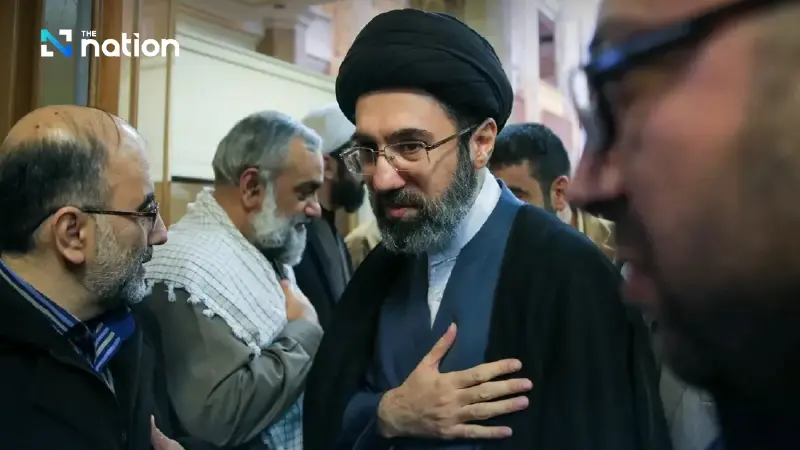


Mojtaba Khamenei’s first public statement as Iran’s new supreme leader signalled that the Strait of Hormuz will remain closed, as Israel threatened further action and oil prices soared
Iran’s new supreme leader, Mojtaba Khamenei, has declared that the Strait of Hormuz will remain closed, using the strategic waterway as leverage against the United States and Israel in his first public statement since taking over from his late father, Ayatollah Ali Khamenei. The message, carried by Iranian state television on Thursday, was read out by a presenter rather than delivered on camera by Khamenei himself.

In the statement, Khamenei called for national unity and praised Iran’s armed forces for preventing the country from being “dominated or divided” while under attack. He also said Iran would continue to use the closure of the Strait of Hormuz to pressure its enemies, while warning that US bases in the region should be shut and suggesting that attacks on such targets would continue. He further signalled that Iran-backed forces in Yemen and armed groups in Iraq remained willing to join the fight.
The remarks were closely watched because they marked Khamenei’s first attributed public comments since he was appointed supreme leader by Iran’s Assembly of Experts after the death of his father in the opening phase of the war.

Reuters reported that Iranian officials had earlier said Mojtaba Khamenei was lightly wounded in the February 28 strikes, which may explain why no fresh images of him have been released and why the statement was read by a state television presenter instead of appearing as a live address.
The new Iranian leader’s stance was swiftly met with a hard response from Israel. Prime Minister Benjamin Netanyahu, in his first press conference since the war began, issued a veiled threat against Khamenei, saying he would not “issue life insurance policies” for leaders of what he called terrorist organisations. Netanyahu stopped short of spelling out Israeli plans, but made clear that Tehran’s leadership remained within Israel’s sights as the conflict widened.

The exchange added to fears that the conflict is spilling across multiple fronts. Reuters reported that two tankers were ablaze in Iraq’s port of Basra after being hit by suspected Iranian explosive-laden boats, while three other vessels were also struck in Gulf waters, including a Thai bulk carrier that Iran’s Revolutionary Guards claimed to have attacked.
On land, Israeli air strikes hit Beirut and Israel ordered more evacuations in southern Lebanon after Hezbollah launched its heaviest rocket barrage since the war began. Reuters said the conflict has now killed more than 2,000 people, including nearly 700 in Lebanon.
The economic fallout was immediate. Oil prices rose by about 9% to around $100 a barrel after the prospect of a prolonged closure of the Strait of Hormuz renewed fears of a severe energy supply shock.
The strait normally carries about one-fifth of the world’s oil trade, making it one of the most important energy chokepoints on the planet. US stocks also fell as investors weighed the risk of a longer war and the possibility of broader inflationary pressure if oil prices remain elevated.
US President Donald Trump publicly played down the oil spike, saying higher prices benefited the United States because it is a major oil producer. At the same time, US Treasury Secretary Scott Bessent said the US Navy, potentially with partners, could escort vessels through the Strait of Hormuz when military conditions allow.

Even so, economists cited by Reuters warned that sustained high energy prices would still feed into global inflation because the United States remains the world’s biggest oil consumer despite being a net exporter.
Taken together, Khamenei’s first message signalled that Iran’s new leadership is not seeking de-escalation. Instead, it appears determined to keep economic and military pressure on its adversaries by holding Hormuz shut, threatening regional US military infrastructure and encouraging allied armed groups to remain active. Israel’s response suggested it is equally unwilling to soften its position, raising the risk that the war could deepen further and keep global markets on edge.
