
Israel-Iran strikes hit global energy hubs as Trump urges restraint
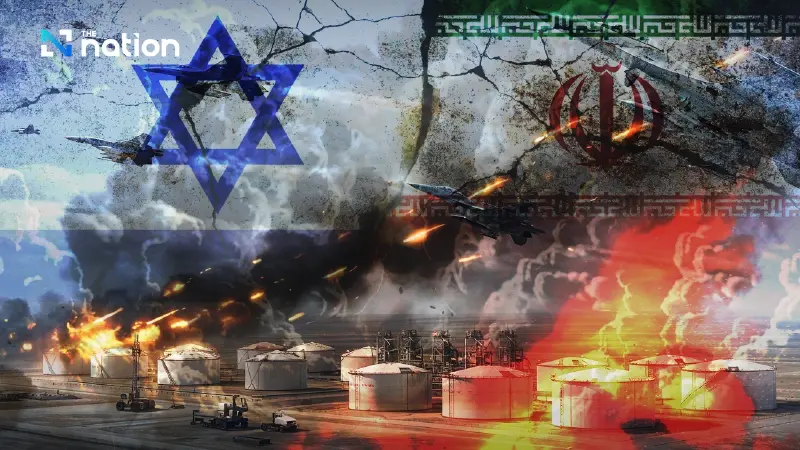


Israel and Iran exchange strikes on energy sites, hitting global supply, as Donald Trump urges restraint over fears of surging oil prices
Israel and Iran have launched a series of intense retaliatory strikes targeting energy infrastructure across the Middle East, pushing the region into a deeper and more dangerous phase of conflict with global economic consequences.
Reuters reported on March 20, 2026, that the situation escalated sharply on Friday, with both sides focusing attacks on critical energy facilities in their own territories and across the region.
US President Donald Trump warned Israel to stop targeting natural gas infrastructure, citing concerns that soaring oil prices could hurt political support ahead of upcoming elections.
The Israeli military confirmed air strikes on Tehran, stating that the targets were infrastructure linked to what it described as Iran’s “terrorist regime”.
Iran responded by launching a large-scale missile barrage towards Israeli territory, triggering sirens across Tel Aviv and explosions from air defence interceptions throughout the city.
The full-scale conflict has already killed thousands of people, most of them in Iran and Lebanon, and has spread across the Middle East since the United States and Israel began joint attacks on February 28. The escalation is expected to have unavoidable consequences for the global economy.
The conflict has also spread to key economic and energy hubs. In Qatar, the industrial city of Ras Laffan — responsible for around 20% of global LNG production — has suffered heavy damage following attacks.
The chief executive of QatarEnergy said repairs could take between three and five years, with export revenue losses estimated at more than US$20 billion annually.
In Kuwait, drones have reportedly struck oil refineries, while in Saudi Arabia, a major Red Sea port used as an alternative route to bypass the Strait of Hormuz has also been targeted. The United Arab Emirates has reported missile threats at the start of the Eid al-Fitr festival.
Amid rising political pressure over surging oil prices, Trump said in the Oval Office that he had urged Israeli Prime Minister Benjamin Netanyahu not to strike energy infrastructure again.
However, Netanyahu later responded that Israel would act independently, confirming strikes on Iran’s South Pars gas field and insisting that Iran’s capacity to produce missiles or enrich uranium was being severely degraded.
Meanwhile, major industrialised nations including the United Kingdom, Canada, France, Germany, Italy, the Netherlands and Japan issued a joint statement expressing readiness to secure shipping routes through the Strait of Hormuz and increase oil production to stabilise global markets.
German Chancellor Friedrich Merz stressed that Germany would only step in to help protect shipping routes after the fighting ends.
French President Emmanuel Macron said no European leader wanted to be drawn into the conflict, adding that the priority now was to promote de-escalation.
Analysts said the war is strengthening Netanyahu’s political standing in Israel, while posing a growing challenge for Trump, who risks becoming trapped in a conflict with no clear exit strategy.
They added that Gulf Arab allies are facing heightened risks, undermining the economic stability narrative that had supported Trump’s political position.
An Iranian military spokesperson warned that this marks a new phase of the war, stating that if Iran’s infrastructure is targeted again, the next targets will be the energy infrastructure of the United States and its allies.
Source: Reuters
