
Iran tightens control of the Strait of Hormuz with US$2m transit tolls
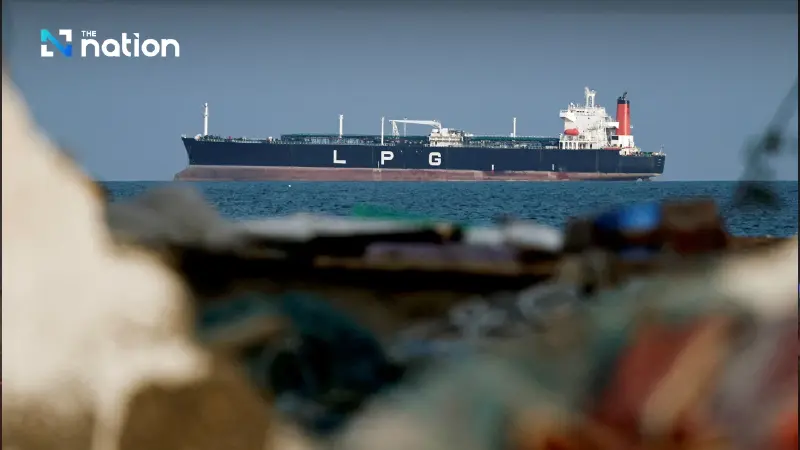


Iran is reportedly charging up to US$2 million per tanker to pass through Hormuz, tightening control over approved vessels and global energy flows.
Fox News reported that, as the Strait of Hormuz remains closed, Iran has begun charging “transit fees” to some oil tankers, with some vessels reportedly paying as much as US$2 million, or around 66 million baht, per voyage, in exchange for permission to pass through one of the world’s most important energy chokepoints.
The move suggests Tehran is tightening its grip over the strait.
Alaeddin Boroujerdi, an Iranian lawmaker, told state media that the hefty toll was part of a new approach to controlling the strait and reflected what he described as “Iran’s strength”.
He also said the measure had already come into force and amounted to a “new sovereign regime” in the waterway after decades.
"Now, because war has costs, naturally we must do this and take transit fees from ships passing through the Strait of Hormuz," Boroujerdi said.
At the same time, US President Donald Trump warned that if Iran did not reopen the strait within 48 hours, the United States was prepared to strike Iranian energy infrastructure.
Trump said in a post shared on Truth Social: "If Iran doesn’t FULLY OPEN, WITHOUT THREAT, the Strait of Hormuz, within 48 hours from this exact point in time, the United States of America will hit and obliterate their various POWER PLANTS, STARTING WITH THE BIGGEST ONE FIRST!"
Iran, however, said the strait was “open to all countries” except hostile states. The Iranian president said: "The Strait of Hormuz is open to all except those who violate our soil."
The report said Iran had established a “safe shipping corridor”, under which vessels must receive approval before being allowed through and, in some cases, pay the 66 million baht toll.
Several countries, including China, India, Pakistan, Malaysia and Iraq, are reportedly in talks with Iran over shipping access, while Iran’s Revolutionary Guards are building a screening system for authorised vessels.
Maritime data analytics firm Windward AI reported that traffic through the Strait of Hormuz was “near collapse”. Over the past seven days, it recorded only 16 AIS-visible crossings.
The firm said controls on transits had tightened sharply, forcing many ships to reroute. At the same time, energy exports from the Gulf have continued to decline, with both crude oil and LPG shipments falling to recent lows.

Under normal conditions, the Strait of Hormuz handles about 20 million barrels of oil a day and around 20% of global LNG trade. This latest closure has driven up freight and insurance costs, pushed oil prices higher and raised fears over the global economy.
Matthew Wright, a freight analyst at global trade firm Kpler, told The Independent earlier this week that what is happening forms part of Tehran’s broader strategy to turn the Strait of Hormuz from merely a passageway into “a tool of global power”.
He said Iran exercised a very high degree of control over the waterway and had managed to move its own cargoes relatively smoothly over the past two weeks. Now, he said, Tehran was selectively managing oil flows through the chokepoint and, for the time being, appeared to be favouring friendly countries in Asia.
