
UK convenes emergency economy meeting as Iran war risks mount
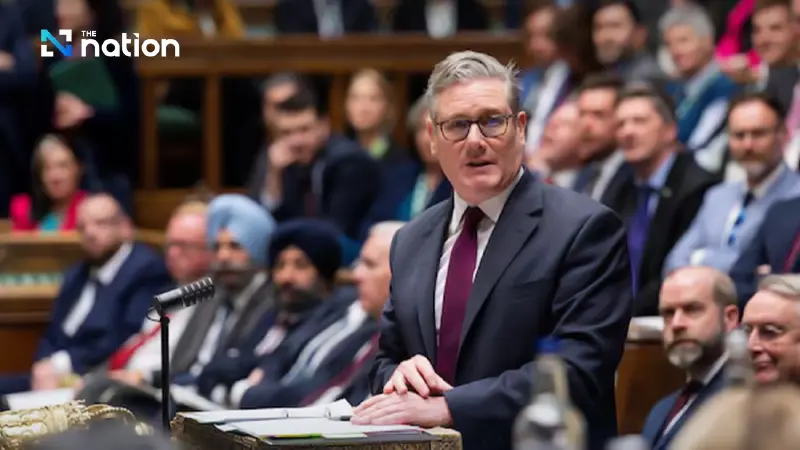


The UK government convenes emergency economic talks as the Iran war threatens higher inflation, energy costs and renewed market volatility.
British Prime Minister Keir Starmer is due to chair an emergency meeting on the economic fallout from the war in Iran on Monday, March 23, with finance minister Rachel Reeves and Bank of England Governor Andrew Bailey among those attending, the government said.
According to Reuters, investors are bracing for another turbulent week in financial markets after Iran said it would target the energy and water infrastructure of Gulf neighbours if US President Donald Trump carries out his threat to strike Iran’s electricity grid.
Britain is watching the situation with particular concern. Its heavy reliance on imported natural gas, stubbornly high inflation and strained public finances have left UK government bonds under far greater pressure than those of many international peers.
"Topics expected to be covered are the economic impact of the crisis on families and businesses, energy security and the resilience of industry and supply chains alongside the international response," Britain's finance ministry said ahead of Monday's so-called COBRA meeting.
Foreign Secretary Yvette Cooper and Energy Secretary Ed Miliband will attend alongside Starmer, Reeves and Bailey.
Reeves has said it is too early to determine the full impact of the war on the British economy. She has resisted calls for broad cost-of-living support for households, saying instead that more targeted measures are being considered.
Inflation set to climb
The energy price shock threatens to drive Britain’s inflation rate higher again, potentially reaching 5% later this year, according to some economists, dealing another blow to an already sluggish economy.
It could also derail Reeves’s efforts to repair the public finances if oil and gas prices remain elevated and major support measures become necessary, potentially forcing further tax rises later this year.
Last week, the government announced a £53 million support package for households that rely on heating oil. However, pressure for wider intervention has added to growing unease in the bond market.
On Friday, yields on British 10-year government bonds rose above 5% for the first time since the global financial crisis nearly 20 years ago.
Until last week, most of the losses had been concentrated in short-dated gilts, which largely reflect expectations for interest rates. Market bets on the Bank of England’s next move have swung sharply towards rate rises, replacing earlier expectations of cuts that had prevailed until just before the war.
Last week, the central bank said it stood ready to act to keep inflation on track for its 2% target. Some policymakers indicated that higher borrowing costs might be needed, although Bailey said it was too soon to conclude that interest rates would have to rise.
The sell-off in longer-dated bonds, as well as short-term debt, suggests investors are beginning to price in Britain’s fiscal vulnerability to the energy price shock.
"Developments over the weekend mean we are entering a new and very dangerous phase for financial markets," said Neil Wilson, UK investor strategist at Saxo Markets in London.
"The move in bond yields last week was material and has added already to stress in financial markets. Markets are pricing for a central bank response."
