
Iran moves to charge Hormuz transit fees, bars US and Israeli ships
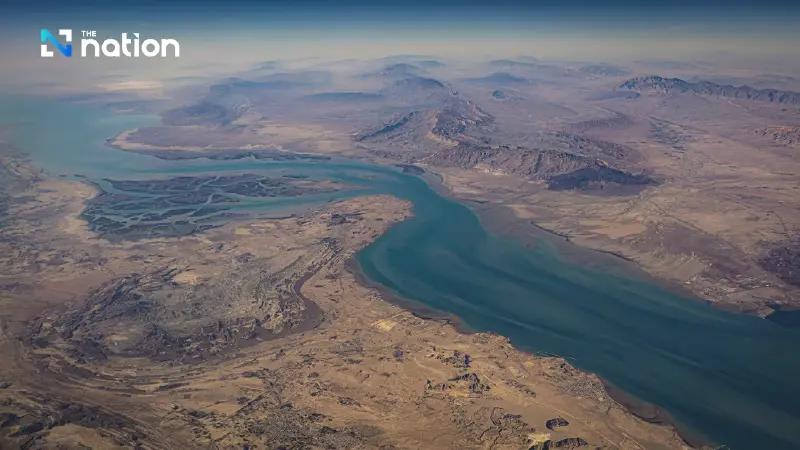


Iran approves plan to charge ships using the Strait of Hormuz and ban US, Israeli vessels, escalating tensions and threatening global oil supply routes
Iran is tightening its grip on one of the world’s most critical energy chokepoints, unveiling a plan to charge ships passing through the Strait of Hormuz while banning vessels linked to the United States and Israel.
The move, approved by Iran’s parliamentary security commission, marks a significant escalation in the ongoing Middle East conflict, with direct implications for global trade and energy markets.
Under the plan, all vessels transiting the strait, a route that carries roughly one-fifth of global oil supply, will be subject to new toll charges, payable in Iran’s national currency.

At the same time, ships connected to the US, Israel, and countries backing sanctions against Iran will be barred from passing through the waterway, effectively tightening Tehran’s control over maritime traffic in the region.
The Strait of Hormuz has already been severely disrupted since the outbreak of war on February 28, when US and Israeli strikes on Iran triggered retaliation and escalating military tensions. Shipping traffic has since dropped sharply, with many vessels stranded or forced to reroute.
Only a limited number of “non-hostile” ships have been allowed to pass under strict coordination with Iranian authorities, highlighting how tightly controlled the route has become.
The impact is being felt across global markets. Oil prices have surged above US$100 per barrel, while supply chains face mounting delays and rising costs as insurers and shipping companies reassess risks in the region.
Analysts warn that Iran’s latest measures, particularly the introduction of transit fees and the outright ban on certain vessels, could deepen the crisis, turning the Strait of Hormuz into a major geopolitical pressure point with far-reaching consequences for the global economy.
