
Singapore Identifies First Cases of New Mpox Strain
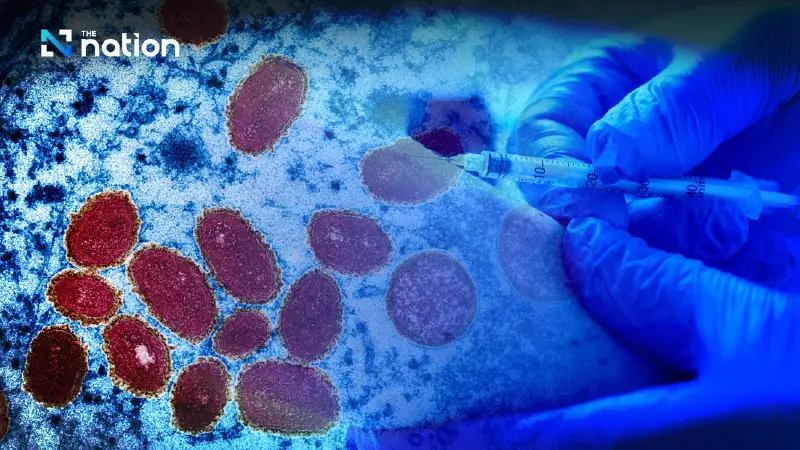


Singapore's health agency confirms two cases of clade Ib mpox in men with mild symptoms, stressing that the risk of a mass public outbreak remains minimal
- Singapore has confirmed its first two cases of a new mpox strain, identified as clade Ib, in two men with mild symptoms.
- Health authorities state that the risk of a wider public outbreak is low, as the virus is typically transmitted through close or prolonged physical contact.
- A mass vaccination program for the general population is not currently being recommended by the health agency.
- Contact tracing is underway, and post-exposure vaccination is being offered to individuals identified as high-risk contacts.
Singapore's health agency confirms two cases of clade Ib mpox in men with mild symptoms, stressing that the risk of a mass public outbreak remains minimal.
The Communicable Diseases Agency (CDA) confirmed on Thursday (2 April) that two cases of the mpox clade Ib strain have been detected in the city-state.
Both patients are male and are reported to be in a stable condition with mild symptoms. Health officials believe the infections were likely transmitted through sexual activity.
Despite the detection of the new strain, the CDA has reassured the public that the risk of a wider outbreak remains low. This assessment is based on the virus's transmission patterns, which typically require close or prolonged physical contact, such as sexual intimacy, rather than casual interaction.
As a result, the health authority is not currently recommending a mass vaccination programme for the general population.
The CDA is currently conducting a thorough epidemiological investigation and contact-tracing exercise to identify those who have been in close proximity to the infected men.
Members of the public have been advised to monitor their health and seek immediate medical consultation should they develop unusual symptoms.
For those identified as "high-risk" contacts, the agency is recommending post-exposure vaccination to reduce the likelihood of the infection developing.
