
Is Bab al-Mandeb becoming a second Hormuz?
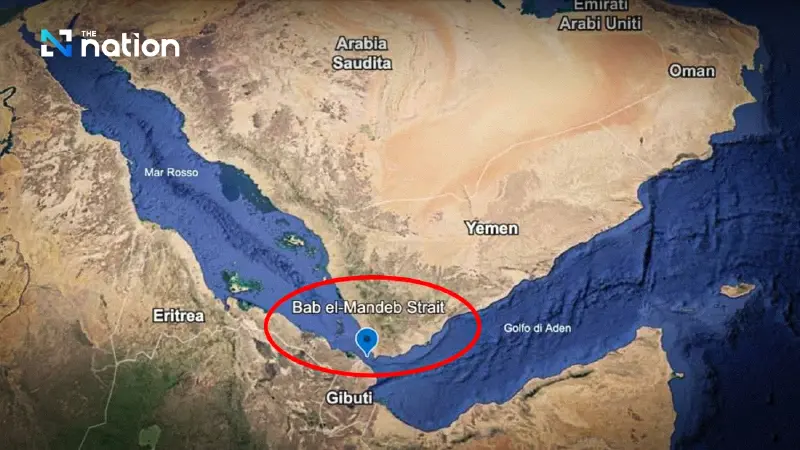


A new threat to Bab al-Mandeb could deepen the global energy crisis, disrupt Europe-bound shipping and shake trade far beyond the Middle East
The risk of a wider global trade shock is growing as attention shifts to the Bab al-Mandeb Strait, with warnings it could emerge as a second critical chokepoint alongside the Strait of Hormuz.
The concern comes after signals from Iran-linked circles that allied forces could target Bab al-Mandeb in response to escalating pressure over Hormuz. The move would mark a significant expansion of the conflict’s economic front, shifting from regional disruption to a broader threat against global trade routes.
Bab al-Mandeb sits between Yemen and the Horn of Africa, linking the Red Sea to the Gulf of Aden and onward to the Indian Ocean. It is a key maritime corridor for oil shipments and container traffic heading towards Europe via the Suez Canal.
The strait carries a substantial share of global energy flows, including crude oil and refined products transported from the Middle East to European markets. It is also a major artery for global trade, with roughly 10% of seaborne commerce passing through the route.
Its importance has grown even further as tensions around the Strait of Hormuz intensify. With one chokepoint already under pressure, Bab al-Mandeb has become an increasingly critical fallback route and therefore a more valuable strategic target.
If both Hormuz and Bab al-Mandeb were disrupted at the same time, the impact could be severe. Together, the two routes handle a significant share of the world’s oil and gas supply, meaning any simultaneous disruption could trigger a major energy shock and push prices sharply higher.
The consequences would not be limited to energy markets. Shipping would be forced to reroute around the Cape of Good Hope, adding time and cost to global trade flows. That would likely drive up freight rates, delay deliveries and intensify pressure on supply chains already strained by geopolitical instability.
The threat is not hypothetical. In past conflicts, Yemen’s Houthi forces have demonstrated the ability to disrupt traffic in the Red Sea through missile and drone attacks. Even limited strikes on vessels could be enough to deter shipping companies and halt commercial traffic through the strait.
However, analysts note that escalating to a full closure would carry significant risks. Any move to shut down Bab al-Mandeb could provoke a swift and forceful response from regional and global powers, particularly given its importance to European trade and global energy security.
For now, the situation remains uncertain. But as tensions continue to rise, Bab al-Mandeb is increasingly being viewed not just as a secondary route but as a potential second front in a conflict that is rapidly reshaping the global energy and trade.
