
European Aviation Faces ‘Systemic’ Fuel Crisis as Strait of Hormuz Blockage Persists
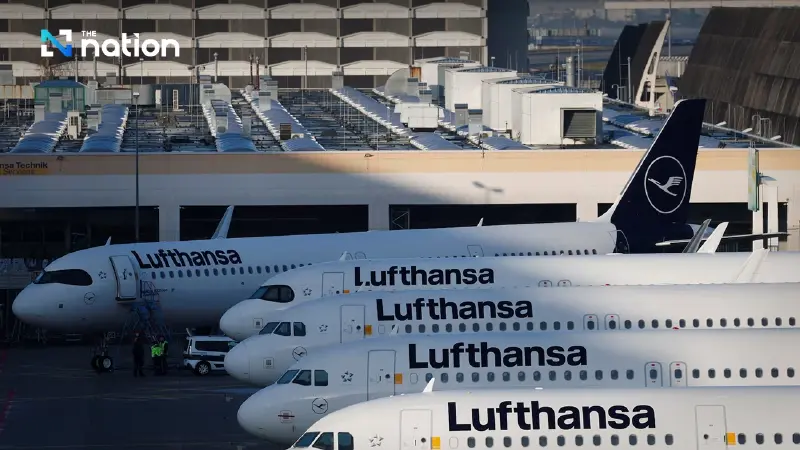


ACI Europe warns of a systemic fuel shortage unless the Strait of Hormuz reopens, as Italian airports begin emergency rationing and fuel prices double
- A continued blockage of the Strait of Hormuz is threatening European aviation with a systemic fuel collapse, as it has cut off 40% of the world's jet fuel supply.
- The crisis has already caused jet fuel prices to double and forced major Italian airports to implement emergency fuel rationing, disrupting flight operations.
- Airlines are responding by canceling thousands of flights, axing unprofitable routes, and implementing aggressive fare hikes to manage the soaring costs.
- Industry body ACI Europe is urging the European Commission to implement a rescue plan that includes joint EU fuel purchasing and mandatory refinery production levels.
ACI Europe warns of a systemic fuel shortage unless the Strait of Hormuz reopens, as Italian airports begin emergency rationing and fuel prices double.
The European aviation industry is facing a critical three-week countdown to a systemic fuel collapse, as major industry bodies warn that the continued closure of the Strait of Hormuz is strangling global jet fuel supplies.
In a stark open letter addressed to the European Commission for Transport on 9 April, ACI Europe—the representative body for the continent's airports—signalled that the industry is nearing a breaking point.
Approximately 40% of the world's aviation fuel supply is currently bottlenecked, with over 170 million barrels of crude oil stranded in the Persian Gulf.
Despite a diplomatic ceasefire between the US and Iran this week, the agreement has yet to stabilise prices or restore maritime corridors.

Emergency Rationing Begins
The impact is already being felt on the tarmac. Jet fuel prices have surged to $1,573 per tonne, a twofold increase from pre-conflict levels.
With fuel reserves in several European nations dwindling to a mere 8–10 days, emergency measures have moved from theory to reality.
In Northern Italy, a cluster of major hubs—including Milan Linate, Bologna, Venice, and Treviso—have implemented mandatory fuel rationing.
Short-haul aircraft are currently restricted to just 2,000 litres of fuel per flight. For common mid-range jets like the Boeing 737 or Airbus A320, this provides less than 60 minutes of airtime, rendering many domestic routes, such as those from the Veneto region to Sicily, virtually impossible to operate.

Airlines Retreat as Costs Spiral
Carriers are moving swiftly to mitigate financial exposure. Ryanair has confirmed the cancellation of 1,000 flights this month and warned of further capacity cuts during the peak summer season.
German flag carrier Lufthansa has established a crisis management cell to oversee the potential grounding of its fleet, while global players including Delta Air Lines, LOT Polish Airlines, and Air New Zealand have begun axing unprofitable routes and implementing aggressive fare hikes.

A ‘Historic’ Economic Threat
The International Energy Agency (IEA) has categorised the current turmoil as the most severe energy crisis in history, with the chairman noting that the shockwaves could ultimately threaten global food security.
For Europe, the stakes are exceptionally high. Air connectivity contributes an estimated €851 billion to the bloc's GDP and supports 14 million jobs.
ACI Europe is now urgently lobbying the European Commission to implement a three-pillar rescue plan:
Joint EU Procurement: A collective purchasing scheme for jet fuel to stabilise costs.
Refinery Mandates: Compulsory production levels to ensure aviation fuel takes priority.
Centralised Monitoring: The creation of a unified fuel reserve tracking system to manage the crisis at a federal level.
Industry experts warn that without immediate intervention, the European "summer getaway" could face unprecedented disruption.
