
US rejects Iran offer as Hormuz blockade drives oil to new high
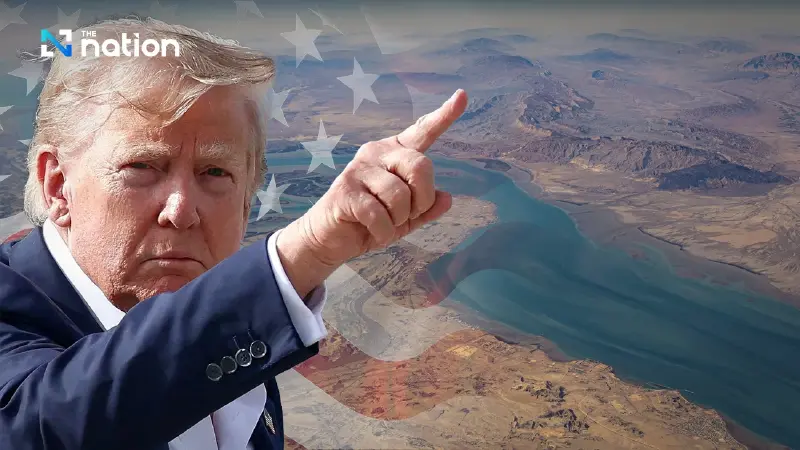


Trump refuses to lift the Iran naval blockade, prolonging the Hormuz crisis and pushing Brent crude above US$119.50 a barrel
The United States has rejected Iran’s proposal to reopen the Strait of Hormuz, raising the prospect of a prolonged maritime blockade that has already pushed crude oil prices to fresh highs.
President Donald Trump said Washington would not lift its naval blockade on Iran until Tehran agreed to a new deal to end its nuclear programme. The position points to a drawn-out standoff around the Strait of Hormuz and risks deepening the global energy crisis.
“The blockade is delivering results far more severe than bombing. They are now being squeezed hard, and their situation will only get worse. Iran must never be allowed to possess nuclear weapons,” Trump said in a phone interview on Wednesday local time.
The US president also said he had recently rejected an Iranian offer to reopen the Strait of Hormuz, arguing that Tehran was using the proposal as a delaying tactic in nuclear negotiations.
The maritime blockade has become a central trigger in the current confrontation. Iran has warned it will not return to the negotiating table or reopen the strait as long as US forces remain in place. Trump, meanwhile, has insisted he will not end the operation unless Iran signs a peace agreement.
Although the war, now in its ninth week, is under a ceasefire, the disruption has spread across the Middle East and continued to drive energy prices higher.
US weighs advanced missiles and seeks allied support
While Trump has so far relied mainly on the blockade, sources told international media that US military commanders have already prepared plans for rapid air strikes to maximise pressure on Tehran.
US Central Command, or CENTCOM, has reportedly requested approval to deploy the US Army’s advanced hypersonic Dark Eagle missile system to the Middle East. If approved by the White House, it would mark the first deployment of the system.
Diplomatic documents also reportedly show that Washington is stepping up efforts to persuade allies to help protect shipping routes. Although several countries have previously refused to join a military campaign against Iran, the US State Department has instructed embassies to lobby partners to build a coalition focused on diplomacy, sanctions enforcement and intelligence sharing.
On another front in the region, Trump has urged Israel to limit its military operations in Lebanon to “surgical strikes” only, in order to avoid undermining the ceasefire agreement.
Hormuz blockade sends crude to new wartime high
The continued closure of the Strait of Hormuz, now entering its second month, has sent Brent crude above US$119.50 a barrel, its highest level since the Iran war began. West Texas Intermediate, or WTI, has also climbed above US$107 a barrel.
Data analytics firm Kpler estimates that Iran’s oil storage capacity may last only another 12 to 22 days before the country is forced into large-scale shutdowns of oil wells, a move that could cause permanent damage to production infrastructure.
Iran, however, has shown no sign of backing down. Iranian state television quoted Mohsen Rezaei, military adviser to the Supreme Leader, as saying Iran would deliver a decisive response if the US did not end the blockade.
Mohammad Bagher Ghalibaf, speaker of Iran’s parliament, also accused Trump of using economic pressure and internal destabilisation to force Tehran into surrender.
On the diplomatic front, Trump said negotiators from both sides were still holding talks by phone after a planned meeting in Pakistan over the weekend collapsed.
A senior White House official also said the US is pursuing legal action to seize two oil tankers linked to Iran, which were intercepted by the US Navy during the maritime blockade.
