
AI arms race heats up – Pentagon taps seven tech giants, sidelines Anthropic
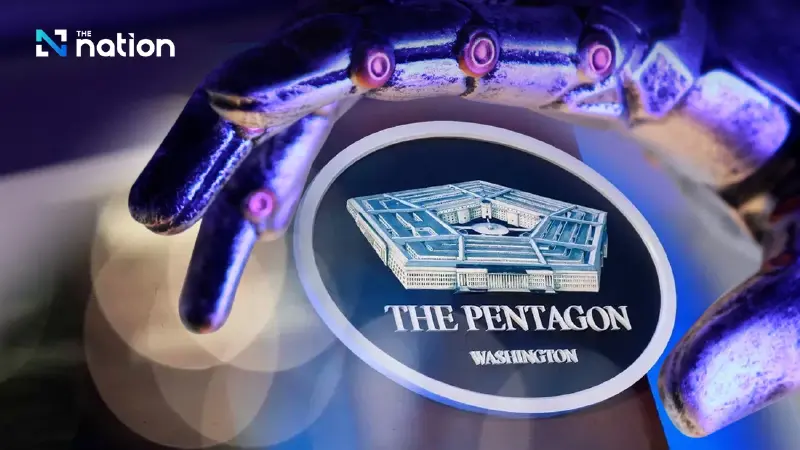


The Pentagon will bring AI tools from OpenAI, Google, Microsoft and others into classified networks, while Anthropic remains excluded
The Pentagon has reached agreements with seven major technology companies to deploy advanced artificial intelligence tools across the US Defence Department’s classified networks, marking a significant expansion of AI use inside the American military.

The companies included in the agreements are SpaceX, OpenAI, Google, NVIDIA, Reflection AI, Microsoft and Amazon Web Services. Their technologies will be integrated into secret and top-secret network environments, giving US defence personnel broader access to AI systems for sensitive military work.

The move is intended to strengthen the Pentagon’s ability to use AI in complex defence operations, including planning, logistics and other functions that require faster decision-making across large military systems.
However, Anthropic was not included in the latest round of agreements. The company has been in a legal and policy dispute with the Pentagon over restrictions on how its AI tools may be used by the military. Earlier this year, the Defence Department labelled Anthropic a supply-chain risk and barred its products from use by the Pentagon and its contractors.
The exclusion has turned the Pentagon’s AI expansion into a wider debate over military AI, ethics, data security and the risk of deploying powerful systems in defence environments without sufficient safeguards. The Thai report framed the dispute as part of a broader concern over whether AI could be used in warfare without adequate human control.
The Pentagon said widening the number of AI providers would help prevent “vendor lock”, or overdependence on any single supplier. Reuters reported that some Pentagon staff, former officials and IT contractors had been reluctant to give up Anthropic’s tools, which they regarded as stronger than alternatives, despite orders to remove them within six months.

AI has become increasingly central to US defence operations. The Pentagon said its main AI platform, GenAI.mil, has already been used by more than 1.3 million Defence Department personnel within five months of operation.

The dispute with Anthropic has also accelerated opportunities for other AI companies. Newer entrants said the process for bringing their systems into secret and top-secret defence environments had been shortened to less than three months, compared with 18 months or longer in the past.
Reflection AI, one of the firms selected by the Pentagon, is backed by 1789 Capital, a venture capital firm in which Donald Trump Jr. is a partner and investor.
Defence Department Chief Technology Officer Emil Michael said Anthropic was still considered a supply-chain risk. However, he also described the company’s Mythos model, known for advanced cyber capabilities, as a separate national security issue.
US President Donald Trump said last week that Anthropic was “shaping up” in the eyes of his administration, suggesting the company could still find a path back into Pentagon systems in the future.
