
G7 finance chiefs monitor rate rises and AI risks amid Middle East


Officials in Paris agreed to track market strains, share cyberattack data and weigh steps on fertiliser passage and critical mineral supply chains.
- G7 finance chiefs are monitoring rising long-term interest rates in Japan, the US, and Europe, which are being driven by inflation concerns linked to Middle East tensions.
- The group is addressing the risks of advanced artificial intelligence being used for cyberattacks on the financial system and has agreed to coordinate on countermeasures.
- Officials are also focused on the economic impact of the Middle East situation, including ensuring safe navigation through the Strait of Hormuz to protect energy and fertilizer supplies.
Finance ministers and central bank governors from the Group of Seven agreed on Monday (May 18) to keep a close watch on climbing long-term interest rates in Japan, the United States and Europe, as Middle East tensions drive energy prices higher and add to inflation worries.
The discussions took place on the first day of a two-day meeting in Paris, attended by financial officials from Britain, Canada, France, Germany, Italy, Japan and the United States, as well as the European Union. Japan was represented by Finance Minister Satsuki Katayama and Bank of Japan Governor Kazuo Ueda.
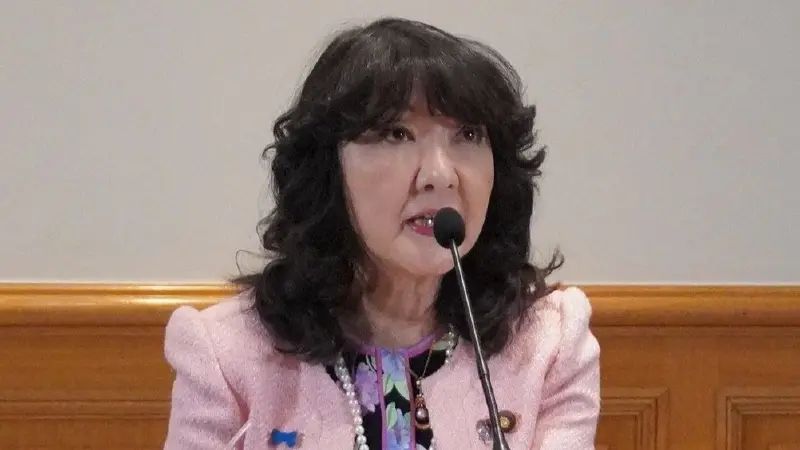
After the opening session, Katayama said financial markets were already showing signs of strain. “The situation in the Middle East has fueled global inflation concerns and caused bond prices to fall, with speculative moves being seen in financial markets,” she told reporters.
She added that the G7 had also agreed to monitor market developments and respond where necessary, while stressing the importance of the Strait of Hormuz. “It is important for the global economy to ensure free and safe navigation through the Strait of Hormuz, and we also agreed to closely monitor and respond to market conditions,” she said.
The officials also examined the possibility of a food crisis if fertiliser supplies linked to the Middle East are disrupted. Among the issues discussed was whether ships carrying fertilisers should be given priority passage through the Strait of Hormuz.
Cybersecurity was another major item on the agenda, with participants agreeing to exchange information and prepare concrete steps against cyberattacks that use cutting-edge artificial intelligence models. Concerns have been growing that advanced AI systems, including US startup Anthropic’s Claude Mythos, could be misused to target the financial system.
Katayama said she told the meeting that G7 members should reach a decision by the June summit so the group can act in a coordinated way.
On critical minerals, including rare earths, the talks focused on creating supply chains that do not rely on China. Officials also discussed introducing a minimum price system to counter low-cost Chinese products.
The G7 financial officials are expected to issue a joint statement before the meeting ends on Tuesday.
