
US-Iran ceasefire deal reported, but Trump’s final approval still pending
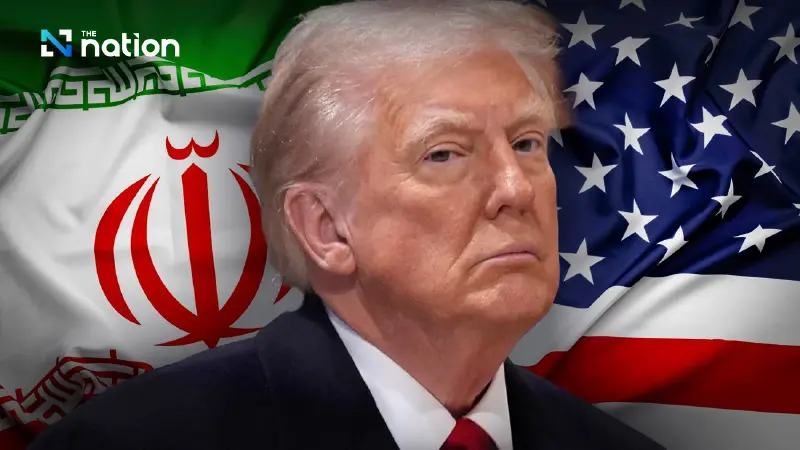


US media reports say Washington and Tehran have reached a 60-day MOU to extend the ceasefire and reopen Hormuz, pending final approval.
US media has reported that the United States and Iran have reached an agreement, but it still requires final approval from US President Donald Trump. Iran, meanwhile, has not confirmed the reported deal to extend the ceasefire for 60 days and reopen the Strait of Hormuz.
Axios reported that US and Iranian negotiators had reached agreement on a memorandum of understanding, or MOU, to extend the ceasefire for 60 days and launch negotiations on Iran’s nuclear programme. However, Trump has yet to give final approval.
The report cited two US officials and a regional source involved in the mediation efforts.
The signing of the MOU would mark the most significant diplomatic progress since the war began. However, any final agreement that meets Trump’s nuclear demands would still require further intensive negotiations.
“This is an agreement to get everybody to the table. We will work out the details in the negotiations,” one US official said.
US officials said the main terms of the agreement had largely been settled by Tuesday, but both sides still needed approval from senior leaders.
The US officials claimed Iran later informed negotiators that it had received the necessary approval and was ready to sign. Iranian authorities, however, have not confirmed this.
US negotiators have briefed Trump on the final details of the agreement, but he has not immediately given the green light.
“The president relayed to the mediators that he wants a couple of days to think about it,” one US official said.
Trump and his advisers had previously believed several times during the war that they were close to securing a deal, only for negotiations to stumble and stall repeatedly.
US officials said the 60-day MOU would state that shipping through the Strait of Hormuz must be “unrestricted”. One US official explained that this would mean no tolls, no harassment, and that Iran would have to remove all mines from the strait within 30 days.
The US naval blockade would also be lifted, but in proportion to the restoration of commercial shipping, a US official said.
The MOU would include wording binding Iran to a commitment not to pursue nuclear weapons, officials added. It would also set out that the first issues to be negotiated during the 60-day period would include how to dispose of Iran’s highly enriched uranium and how to address Iran’s uranium enrichment programme overall.
The United States would commit to discussing sanctions relief and the release of frozen Iranian funds as part of the negotiation process.
The MOU would also include talks on a mechanism to help Iran begin receiving goods and humanitarian assistance.
Even as the details were being finalised, the United States and Iran had two skirmishes in the Strait of Hormuz over the past 48 hours.
Axios cited one US official as saying Iran now had an opportunity to “unshackle” its economy and that “there are people in their system that understand that it is an opportunity to go in a different direction”.
“We will find out during the 60-day negotiations if that’s the case,” the official added.
US officials insisted there would be no “side deals” or hidden clauses on sanctions relief or money flowing into Iran.
“The more the Iranians are willing to give, the more they will get,” one official said.
