
Japan outlines multilayered plan to improve LGBT understanding
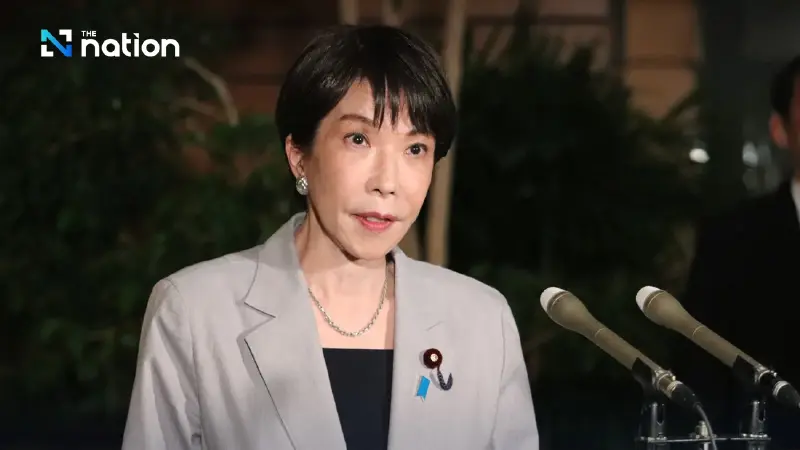


The first basic programme on sexual minorities sets out steps for schools, homes, communities and workplaces, with adoption possible this month.
- The Japanese government has drafted its first basic program aimed at deepening public understanding of LGBT people and other sexual minorities.
- The multilayered plan will promote awareness through schools, local communities, households, and workplaces.
- Key strategies include promoting academic research, disseminating accurate information via materials like leaflets and videos, and strengthening consultation systems, especially for young people.
- Mandated by a 2023 law, the program requires the government to publish annual reports on its progress and to review the plan roughly every three years.
Japan’s government has drafted its first basic programme to deepen public understanding of LGBT people and other sexual minorities, setting out a multilayered drive to improve knowledge of gender and sexual diversity, as shown in the draft on Monday (June 1).
The draft was submitted to the ruling Liberal Democratic Party and approved by the party on the same day.
The government plans to adopt the programme at a cabinet meeting as early as this month.
Under the draft, awareness-raising efforts would be advanced through schools, local communities, households and workplaces.
It says some sexual minorities “experience confusion, anxiety and difficulties in daily life due to insufficient public understanding.”
The programme points to limited public awareness as a problem linked partly to a lack of a sense of ownership, with many people not viewing issues affecting sexual minorities as relevant to themselves.
To address that gap, the draft calls for academic research, the dissemination of accurate information and stronger consultation systems.
The government would promote research in fields including medicine and psychology, while regularly assessing the level of public understanding of sexual minorities.
It would also prepare leaflets and video materials explaining diversity and the law, aimed at promoting public understanding of the diversity of sexual orientation.
For young people, the draft says measures should be shaped in line with their mental and physical development, noting that sexual orientation may evolve.
It also calls for reinforced consultation systems, including the involvement of school counsellors.
The government also plans to publish reports on related policies once a year and review the basic programme roughly every three years.
The programme is required under the Act on the Promotion of Public Understanding of the Diversity of Sexual Orientation and Gender Identity, known as the LGBT understanding promotion law, which was enacted in 2023.
The law requires the government to draw up a basic programme and issue annual reports on related measures.
The legislation was based on a draft bill prepared by a suprapartisan group of lawmakers.
Still, it was revised after opposition from conservative LDP members and discussions with some opposition parties.
The drafting of the basic programme took nearly three years, apparently because of disagreements between supporters and opponents of the law’s objectives.

[Copyright The Jiji Press, Ltd.]
