
Thai Giant CP Group Targets Zero Food Waste by 2030
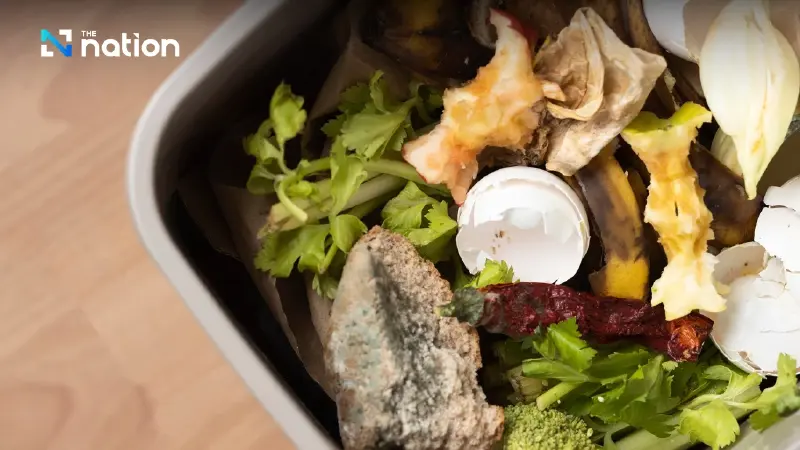


Conglomerate commits to tackling 6.18 million tonnes of annual food waste; aims to transform agricultural surplus into new revenue
- Thai food conglomerate CP Group has announced a goal to achieve zero food waste by 2030, addressing both environmental and economic concerns.
- The initiative will target the entire supply chain, from upstream agricultural production to downstream retail operations like Makro and Lotus's.
- A key strategy is to convert waste into valuable resources, including fertilizer, animal feed, protein-rich insects for feed, and energy.
- The group aims to reduce its annual food waste from 41,513 tonnes (2024) to 5,480 tonnes by the 2030 deadline, building on a 24.25% average annual reduction since 2019.
Charoen Pokphand Group (CP Group), Thailand's leading food producer and conglomerate, has unveiled an ambitious roadmap to achieve zero food waste by 2030, marking a significant drive to tackle the environmental and economic cost of surplus food.
Speaking at the Thailand Zero Food Waste Forum 2025 on Wednesday, CP Group CEO Suphachai Chearavanont stressed that the initiative is a critical mission to "generate immense value" from waste, calling it an "important movement to drive Thailand towards the Zero Food Waste goal."
The Group is collaborating with its retail business CP Axtra, the newspaper Krungthep Turakij, and the public sector in a major alliance designed not only to reduce waste but also to transform it into commercial benefit.

A Global and Local Problem
Suphachai highlighted the scale of the crisis, noting that globally, one-third of all food becomes waste, amounting to 1.05 billion tonnes annually, which is responsible for up to 8% of global greenhouse gas emissions.
Closer to home, despite Thailand’s status as the "Kitchen of the World," it generates approximately 6.18 million tonnes of food waste per year, the second-highest volume in the ASEAN region.
"Food waste is not only vast in volume but also generates high pollution, and it is a breeding ground for various undesirable pests and germs," he warned.

Targeting the Supply Chain
The Zero Food Waste goal is not confined to CP Group's retail operations, which include Makro and Lotus's under CP Axtra.
Suphachai confirmed the focus would be across the entire supply chain, from upstream agricultural production to downstream consumption.
He cited the large amount of sub-grade product that becomes waste during fruit seasons as a key area for improvement, underscoring the company’s commitment to "finding ways to add value to food waste from upstream to downstream."

From Waste to Value
CP Group outlined its multi-pronged approach to waste management, which has already seen significant results. Between 2019 and 2024, the Group reduced its food waste by an average of 24.25% per year.
Currently, the Group's management strategies convert waste into various useful products. This includes 25,207 tonnes converted to fertilizer, 13,586 tonnes donated as animal feed, and 11,441 tonnes donated through foundations.
Further processing includes 8,581 tonnes used to add value to food, 6,436 tonnes for cultivating Black Soldier Fly (BSF) protein-rich insects, and 4,290 tonnes for energy generation.

In the coming years, the Group has set a specific target to reduce its annual food waste volume from 41,513 tonnes (2024 figures) to 5,480 tonnes by 2030.
Suphachai concluded by calling for a national effort: "Every time we throw away food, we not only lose resources but also harm our world without realising it. I believe that sustainable change is truly possible if all sectors move forward together."
