
CKPower Seizes Renewable Energy Opportunities through Strategic RECs Expansion
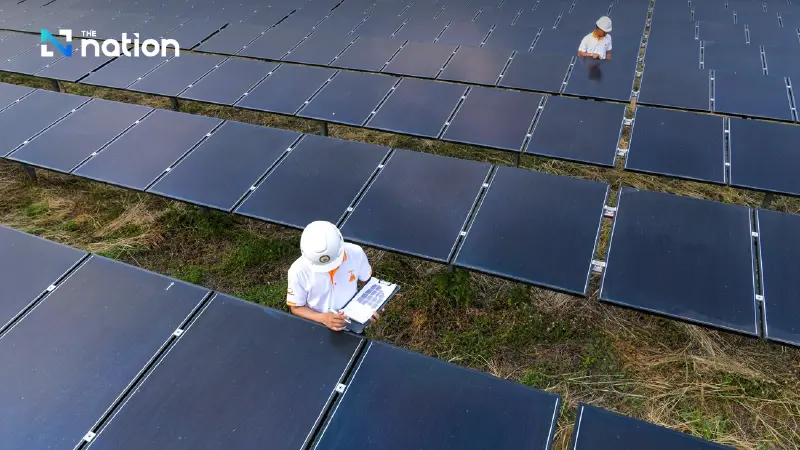


Thai power producer positions itself at the forefront of the regional energy transition, delivering certified renewable solutions to carbon-conscious enterprises
- CKPower is capitalizing on Thailand's growing green power market by strategically expanding its involvement with Renewable Energy Certificates (RECs).
- Through its solar power subsidiary, the company has been active in the REC market since 2022 and has successfully delivered over 39,660 certificates.
- This focus on RECs provides a complementary revenue stream and enhances CKPower's environmental credentials, positioning it as a key partner for enterprises pursuing sustainability goals.
As global momentum towards renewable energy accelerates, CKPower is capitalising on emerging opportunities in Thailand's rapidly expanding green power market, positioning itself as a key player in the region's energy transition through the strategic deployment of Renewable Energy Certificates (RECs).
Thailand's renewable energy landscape is experiencing robust growth.
According to the Kasikorn Research Centre, renewable electricity demand is projected to rise significantly in 2026, with government sector sales expected to reach 24,303 GWh and private sector purchases anticipated to total 4,249 GWh—representing year-on-year increases of 2.8% and 8% respectively.

The RECs Opportunity
Renewable Energy Certificates (RECs) have emerged as crucial tools instruments in the global transition to cleaner energy.
These market-based certificates verify that electricity has been generated from renewable sources, with each REC representing one megawatt-hour (MWh) of renewable electricity fed into the grid.
For enterprises grappling with Scope 2 emissions, RECs provide a credible pathway to demonstrate renewable energy consumption.
Thailand's REC market is poised for substantial expansion, with DataM Intelligence forecasting growth from US$11.51 million in 2024 to US$25.58 million by 2032— representing a compound annual growth rate (CAGR) of 9.7%.

CKPower's Strategic Implementation
CKPower has actively participated in the Renewable Energy Certificates (RECs) market since 2022 through its subsidiary, Bangkhenchai Company Limited (BKC), which operates solar power facilities.
To date, the company has successfully delivered 39,660.46 RECs, demonstrating a strong and proven track record in renewable energy certification.
The RECs initiative exemplifies CKPower's C-K-P strategic framework, particularly the "Partnership for Life" principle emphasising business flexibility and sustainable growth.
Beyond revenue enhancement, the programme reinforces CKPower's environmental credentials and demonstrates tangible commitment to sustainability.

Market Dynamics Driving Growth
Thailand's renewable energy sector is undergoing structural shifts that increasingly favour established producers.
Solar power is seeing particularly accelerated adoption, with the draft Alternative Energy Development Plan targeting solar to account for 68% of renewable electricity generation by 2037.
Demand for private sector solar projects is projected to surge by 21% in 2026. This growth is driven by industrial enterprises and emerging data centre operations increasingly opting for renewable electricity solutions, especially as the EU's Carbon Border Adjustment Mechanism (CBAM) takes full effect.
As corporations worldwide pledge carbon neutrality commitments, demand for credible renewable energy verification mechanisms intensifies.
RECs provide precisely this function—offering auditable proof of renewable electricity consumption that satisfies both internal sustainability targets and external stakeholder expectations.

Strategic Positioning for Growth
CKPower's renewable energy strategy encompasses both near-term revenue opportunities and long-term market positioning.
The company's 2025-2030 roadmap targets expanding solar generation capacity through both Private PPA arrangements and participation in Phase 2 government renewable auctions.
This dual approach—combining government contracts with high-growth private sector arrangements—reflects sophisticated market positioning.
The parallel development of RECs capabilities adds a complementary revenue stream whilst enhancing the company's sustainability credentials.

CKPower's established position in RECs trading, combined with its operational solar and hydropower assets, positions the company as a credible partner for enterprises seeking authenticated renewable energy solutions.
The company's solid -year operational track record provides assurance of delivery capability—a critical consideration for organisations making long-term decarbonisation commitments.
As Thailand's energy transition accelerates, CKPower's integrated approach demonstrates its ability to identify and capitalise on emerging opportunities within the global shift towards verified sustainable energy solutions.
