
GISTDA analysis reveals heavy rain in Hat Yai sets new record
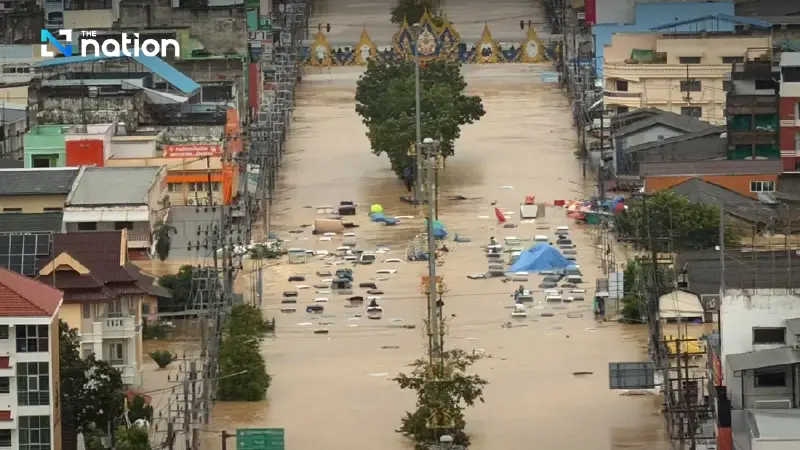


GISTDA’s analysis shows Hat Yai floodwaters reached 630mm of rainfall, higher than in 2010, highlighting the extreme weather and structural vulnerabilities of the region.
The Geo-Informatics and Space Technology Development Agency (GISTDA) released an analysis titled "The Great Flood of the U-Tapao Basin 2025" on Tuesday, examining the catastrophic flooding that impacted Hat Yai in Songkhla province.
The floods, which began on November 19, were more severe than typical seasonal floods, reflecting the complex challenges posed by extreme weather conditions and the structural vulnerabilities of the U-Tapao River basin.
According to data from the Office of the National Water Resources (ONWR), the flood levels exceeded the peak water levels from 2010, with some sources reporting a staggering 630mm of rainfall over three days (November 19–21, 2025), surpassing the 428mm recorded during the 2010 floods.
This extreme rainfall, which was some of the heaviest in decades, led to severe flooding in over 100 communities across Hat Yai, with some areas submerged under more than 3 metres of water. The heavy rains caused widespread damage to homes, roads, and infrastructure, disrupting normal life and making many areas impassable.
The U-Tapao River basin, which flows through Hat Yai before emptying into Songkhla Lake, is one of the region's critical watersheds. The upper basin is mountainous, with steep terrain, while the middle and lower sections are flat, densely populated areas like Hat Yai.
This topography exacerbates the flooding problem, as the rapid runoff from the mountains flows quickly into the lowlands without natural barriers to slow it down. Meanwhile, the dense urban development in Hat Yai prevents water from being absorbed into the ground, leading to further water accumulation and slower drainage.
In addition to the heavy rainfall, the flood event was characterised by "stagnant rainfall," with rain falling continuously over several days without any breaks to allow water levels to recede.
This prolonged downpour saturated the soil, overwhelming the drainage systems, and causing a continuous flow of water into the U-Tapao River, which further overwhelmed the local infrastructure.
The combination of excessive rainfall, prolonged storms, and the region's structural limitations led to severe flooding in Hat Yai, which was unable to cope with the influx of water.
The event highlights the increasing risks posed by climate change and underscores the urgent need for improved flood management and urban planning in the region to mitigate the impact of future extreme weather events.
This disaster, which has led to significant damage to infrastructure and the displacement of many residents, has been a wake-up call for authorities.
It serves as a stark reminder of the vulnerabilities of regions like Hat Yai to increasingly severe weather patterns and the need for systematic water management strategies to protect both the U-Tapao River basin and other similar regions in the future.
