
WMO warns 'Asia' at high risk of flash floods, urges preparedness
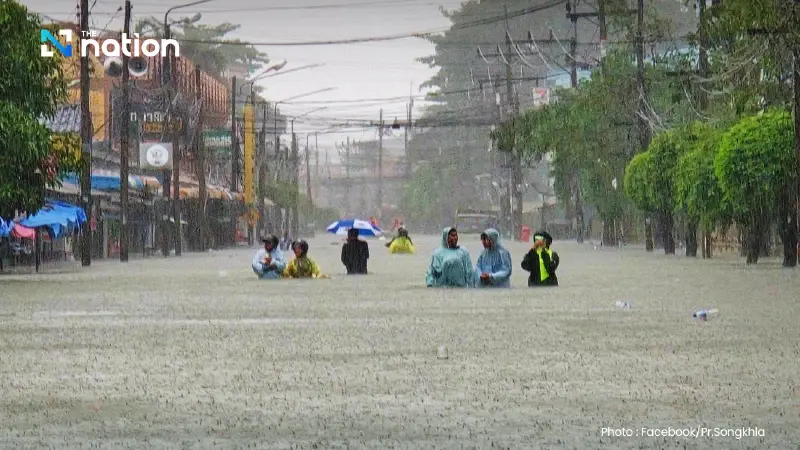


The World Meteorological Organisation (WMO) has warned that the Asia region is facing significant impacts from the global climate crisis, urging preparedness for storms and floods.
The WMO’s State of the Climate in Asia 2024 report, released in June, highlights that Asia is experiencing a temperature rise nearly twice as fast as the global average. This rapid warming is driving severe weather events such as heatwaves, storms, and flash floods.
The primary cause of these extreme conditions is the rising temperatures
According to WMO data, 2024 has been the second-hottest year on record for Asia, and the accelerated warming has worsened the region’s weather.

Ocean heatwaves have led to the highest recorded sea surface temperatures, while intense heat has caused a significant reduction in snowfall, impacting glaciers in the Himalayan region, leading to rapid melting. Heavy rainfall has caused widespread damage, and abnormally strong storms have left large-scale destruction, resulting in substantial economic losses.
Most concerning are the impacts on sea levels in the Indian and Pacific Oceans, where the rise in water levels is higher than the global average. This puts numerous communities in the region at a high risk of flash floods, threatening millions of lives.
Early Warning Systems are the key solution
Stefan Uhlenbrock, WMO’s Director of Hydrology, stated, "Flash floods are not new, but their frequency and severity are increasing in many regions due to rapid urbanisation, land use changes, and climate change. Such conditions raise the risk of heavier rainfall and, in turn, increase the likelihood of flooding."
WMO stresses the importance for national meteorological agencies and related organisations to invest in infrastructure, such as early warning systems, which can provide advanced alerts to protect vulnerable communities.

Flash floods are the deadliest type of flooding, accounting for nearly 85% of flood-related deaths and causing economic losses exceeding $50 billion annually. These events affect over 1.81 million people worldwide.
WMO also announced that it is accelerating efforts to improve flood forecasting through a global project, integrating data from satellites, radar, and high-resolution climate models to issue warnings several hours in advance. The organisation is also expanding this initiative into a globally interconnected framework.
