
Symbols of Sovereignty: Thailand Honours National Icon on National Elephant Day
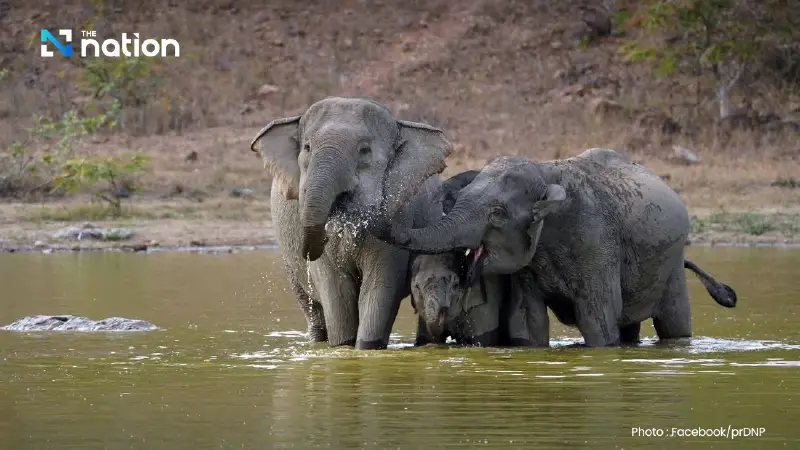


As Thailand celebrates its national animal, experts convene to tackle the rising ‘human-elephant conflict’ and secure a sustainable future for the species
- Thailand celebrates National Elephant Day on March 13th, the date chosen to commemorate the official designation of the white elephant as the nation's symbol of sovereignty and royalty.
- The annual day was established in 1998 to honour the elephant's historical significance as its role in industry and as a royal companion was fading from public memory.
- In the modern era, honouring the national icon involves tackling the rising human-elephant conflict through a national summit and government field actions aimed at conservation and coexistence.
As Thailand celebrates its national animal, experts convene to tackle the rising ‘human-elephant conflict’ and secure a sustainable future for the species.
Today, 13 March 2026, marks National Elephant Day (Wan Chang Thai), a day dedicated to honouring the majestic creatures that have served as the bedrock of Thai history, royalty, and national identity for centuries.
According to the Seub Nakhasathien Foundation, the date holds deep symbolic significance. It was on 13 March that the National Identity Committee officially designated the white elephant as the national symbol of Thailand.
Recognising that the elephant’s historical role—as a royal companion in battle and a pillar of ancient industry—was fading from public consciousness, the Cabinet officially established this annual day of observance in 1998.

The Modern Crisis: An Unsteady Coexistence
While the day is one of celebration, it also serves as a stark reminder of the mounting challenges facing Thailand’s wild population.
Data cited by the Foundation reveals that Thailand is currently home to between 4,013 and 4,422 wild elephants.
However, as forests shrink and agricultural lands expand, the friction between humans and wildlife has reached a critical flashpoint.
Between 2020 and 2023, over 3,800 incidents of conflict were recorded. These encounters have resulted in significant crop damage, loss of property, and, most tragically, injuries and fatalities for both villagers and elephants.

Innovation and Tradition in 2026
To address these "time-bomb" issues, the Sustainable Ecology Association, in partnership with the Elephant Foundation of Thailand, is hosting a major summit titled "Conservation and Coexistence: Hope for a Sustainable Path in a Changing World."
The two-day event (13–14 March) focuses on blending modern science with local wisdom. Highlights include:
A National ‘Hackathon’: Encouraging the younger generation to pitch innovative tech solutions for human-elephant-forest management.
Community Exchange: Representatives from six major forest complexes across Thailand are sharing first-hand lessons on conflict mitigation.
Legal Reform: Panel discussions regarding mahout standards and the legal dimensions of managing wild elephant populations.

Field Action in Chanthaburi
Simultaneously, the Department of National Parks, Wildlife and Plant Conservation (DNP) held commemorative activities in the Khao Khitchakut District of Chanthaburi.
The event included merit-making ceremonies for fallen rangers and villagers, as well as the deployment of "Rapid Response Units" tasked with humanely pushing wild elephants back into protected forest zones.
The message for 2026 is clear: the elephant is no longer just a figure of the past to be admired on a flag, but a living national treasure that requires urgent, structural protection to survive the modern era.
