
BMA on full alert as storm Kajiki brings four days of heavy rain
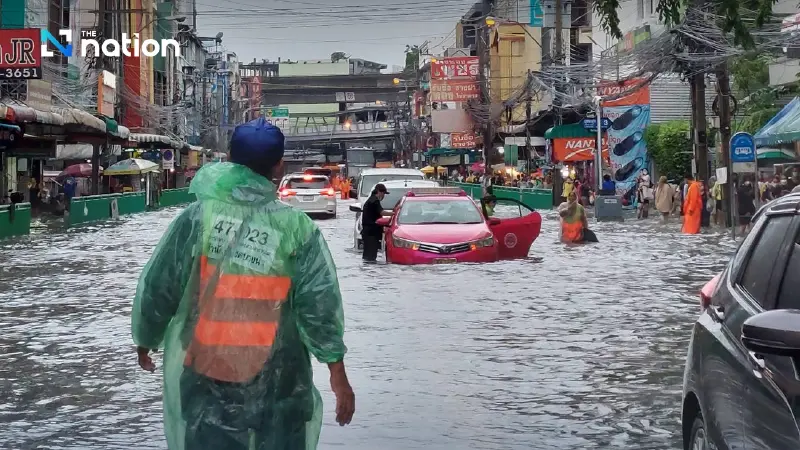


The Bangkok Metropolitan Administration (BMA) has announced full preparedness to deal with tropical storm Kajiki from August 24–28.
Aekvarunyoo Amrapala, BMA spokesperson, said on Sunday (August 24) that the storm is expected to affect Bangkok over the next four days.
He explained that the BMA has prepared systematic flood prevention and mitigation plans to reduce the impact on the public as much as possible.

Key measures in place
1. Drainage system readiness
The BMA has put its drainage system on full standby, including four major water tunnels, 200 pumping stations, 243 watergates, and 349 pumping wells, with staff on duty around the clock. Water levels in retention areas have also been lowered to accommodate excess rainwater.
2. Managing risk-prone areas
Bangkok Emergency Service Teams (BEST) will be deployed immediately during rainfall to inspect and drain water at flood-prone sites and underpasses. Waste and vegetation obstructing drainage will also be removed to accelerate water flow.
3. Backup equipment and resources
Essential backup equipment has been prepared at all sites, including mobile water pumps, backup generators for pumping stations, cranes, balloon lights, and repair tools for pumps and water pushers. Adequate fuel reserves are also in place.

4. Public assistance and support
All 50 district offices have set up command centres to assist residents in flood-hit areas. Lifting trucks, fire engines, rescue gear, and patrol vehicles are on standby to transport people through floodwaters. City law enforcement officers will help manage traffic, while roadside assistance will be available for vehicles damaged or stalled in flood conditions.
5. Coordination with external agencies
The BMA has coordinated with the Metropolitan Electricity Authority to ensure swift response to power outages or disruptions, preventing interruptions to pumping stations and drainage tunnels.

“We urge residents to have confidence in our preparedness and to closely follow updates from the BMA. We will provide real-time reports to help the public plan their journeys safely,” Aekvarunyoo concluded.
Channels for updates and assistance
Residents can access information and request assistance via:
- Website: dds.bangkok.go.th or pr-bangkok.com
- Facebook: Flood Control Centre or BMA
- X: @BKK_BEST or @bangkokbma
- Phone: 0 2248 5115 or hotline 1555 (24 hours)
- LINE: @TraffyFondue
- AI Nowcast: https://dds.bangkok.go.th/nowcast/
