
Bangkok cooling centres draw 59,000 visits in two weeks, says BMA
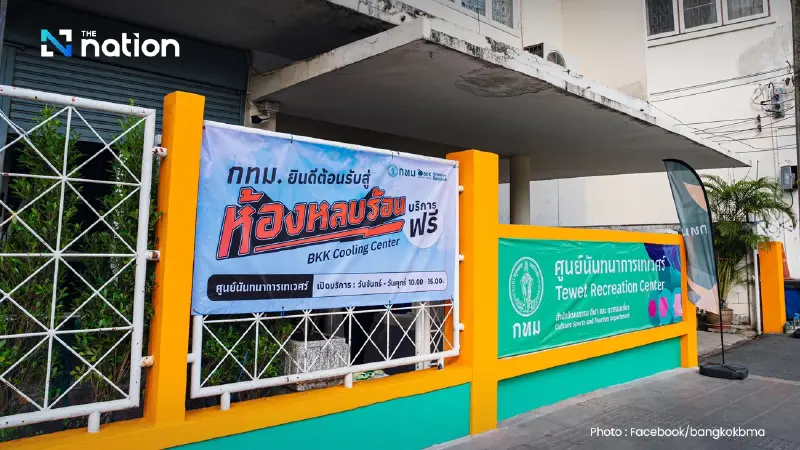


The BMA says more than 59,000 people used cooling centres in the first two weeks as extreme heat and rising heat index levels gripped the city.
The Bangkok Metropolitan Administration (BMA) reported on Monday (April 6) that 30,208 people used its cooling centre service in the first week, followed by 28,940 in the second week, reflecting growing demand among Bangkok residents for places to escape the heat as temperatures and the heat index continue to rise.
At the same time, a satisfaction survey of 990 users found that 986 respondents, or 99.6%, were satisfied with the service, while 98.89% said they were likely to return, underlining the scheme’s effectiveness in meeting public needs, said Pornphrom Vikitsreth, adviser to the Bangkok governor and chief sustainability officer of the BMA.
At present, the BMA operates 313 cooling centres across district office buildings, public health service centres, youth centres and schools under its supervision. A further 272 heat relief points have also been set up in public parks, 15-minute parks and temples, providing broad coverage across Bangkok.
The cooling centres are equipped with air conditioning, drinking water and first-aid kits for people seeking temporary relief from the heat. Opening days and hours vary by location.

The BMA has advised residents to avoid staying outdoors during periods of extreme heat, especially vulnerable groups such as older people, children and those with underlying health conditions.
In emergencies, the public can call the 1669 hotline and monitor heat index updates via the AirBKK application.
The BMA said it would continue improving the cooling centre system to enhance quality of life and provide safe spaces for residents to cope with extreme heat over the long term.

BMA warns of dangerous heat index
Earlier, the BMA warned that the city’s heat index had reached a “dangerous” level on Monday, raising serious health concerns for residents.
According to the BMA’s Environment Department, the day’s maximum heat index fell within the 42.0–51.9°C range, which is classified as “dangerous”, with the risk of rising to the “very dangerous” level of above 52°C.
Officials said that although actual air temperatures remained around 38–40°C, high humidity was pushing the “feels like” temperature significantly higher, increasing the risk of heat exhaustion and heatstroke.

The BMA urged residents to watch closely for symptoms such as dizziness, fatigue, headaches, a rapid pulse, or unusual sweating. Anyone experiencing such symptoms should immediately move to a shaded or air-conditioned area and rest.
Residents were also advised to drink water regularly throughout the day, avoid outdoor activities during peak heat hours, particularly between 11am and 3pm, and reduce prolonged exposure to direct sunlight.
