
Bangkok on heat alert as dangerous conditions threaten health and tourism
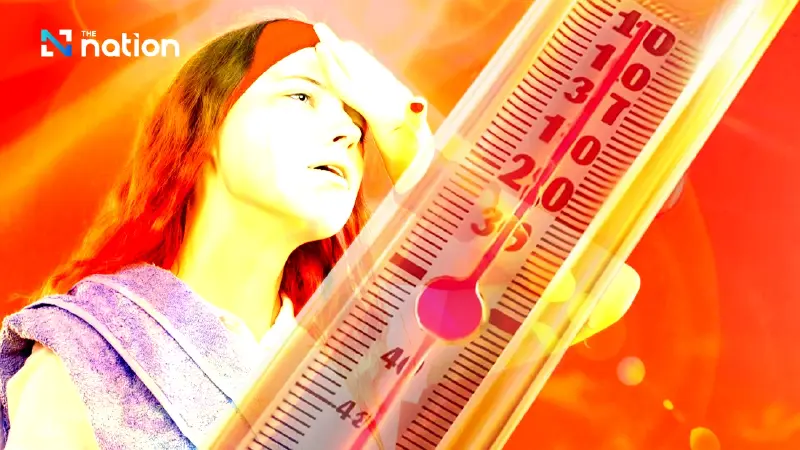


Bangkok faces a dangerous heat index, with vulnerable groups warned to stay alert as health risks rise for outdoor workers and tourists.
Bangkok is facing severe hot weather after the daily heat index on Friday (April 17) climbed to the “danger” level, signalling a sharp rise in health risks for the public.
According to the Bangkok Metropolitan Administration’s (BMA) Environment Department, the heat index is a key indicator used to assess health risks because it reflects the temperature the human body actually feels.
When the heat index reaches between 42 and 51.9 degrees Celsius, it is classified as “danger”. At this level, the general public is advised to watch for unusual symptoms, while vulnerable groups should be monitored closely.
Excessive heat beyond what the body can tolerate may cause symptoms ranging from fatigue, dizziness, skin rashes and muscle cramps to more severe conditions such as heat stroke, which can be life-threatening.
The high-risk groups identified by the BMA are young children aged up to five, older people aged 60 and above, and pregnant women; people who are ill, have underlying medical conditions or are obese; those who consume alcohol; people who work outdoors for long periods or exercise outside; and tourists.

The heat index is divided into four warning levels.
- A heat index of 27.0 to 32.9 degrees Celsius is classified as “caution”. People are advised to follow heat warnings, while vulnerable groups should drink water regularly.
- A reading of 33.0 to 41.9 degrees Celsius is classified as “extreme caution”. Outdoor activity should be reduced, particularly between 11am and 3pm. Vulnerable individuals who develop unusual symptoms should seek medical attention immediately.
- A heat index of 42.0 to 51.9 degrees Celsius is classified as “danger”. People should monitor themselves closely for signs of heat-related illness, and those in vulnerable groups should see a doctor at once if symptoms appear.
- Any reading above 52 degrees Celsius is considered “extreme danger”. Outdoor activities should be avoided altogether, and anyone developing unusual symptoms should seek urgent medical care.

The situation reflects a growing trend of more frequent and intense extreme weather. It is not only an environmental challenge, but also an emerging risk factor for the economies of major cities, which must urgently adapt through infrastructure improvements and better long-term risk management.
