
Coalition govt’s THB185 billion spending in 123 days meets mixed reactions
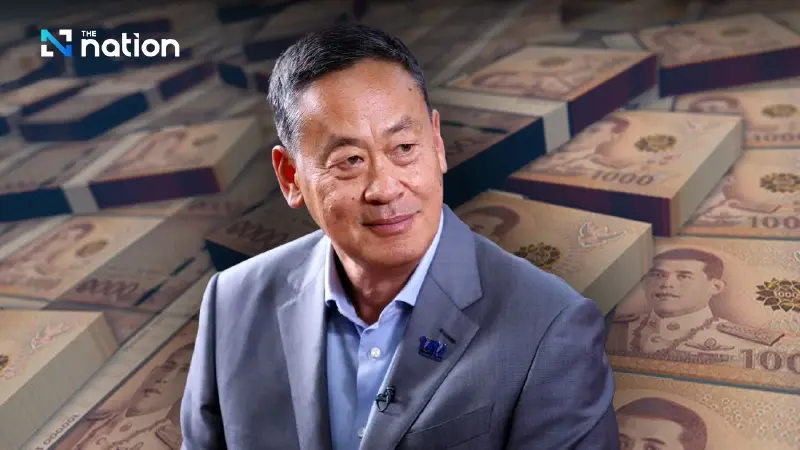


Since assuming office 123 days ago, Prime Minister Srettha Thavisin’s coalition government has invested a total of 185 billion baht on solutions aimed at addressing Thailand’s economic and social challenges.
This was highlighted in an article on Thansettakij.com on Saturday.
These measures include initiatives to alleviate the cost of living, including reductions in fuel and electricity prices, financial support for small to medium-sized businesses, assistance for farmers grappling with debts and efforts to curb escalating household debts.
A notable highlight of the government’s actions has been the capping of electricity prices for households and businesses at 2% despite the significant surge in fuel prices. This measure results in an average annual savings of 1,000 baht for households.
The government has also extended tax breaks and financial aid to businesses, as part of a strategy to aid in their recovery from the impact of the Covid-19 pandemic and the global economic slowdown.
In parallel, several infrastructure projects have been announced by the government, with the expectation that these initiatives will not only create jobs but also stimulate economic growth.
However, the government’s spending measures have evoked mixed reactions. While some applaud the government for taking decisive action to address the country’s challenges, others criticise the perceived overspending and lack of focus.
In defence, the government asserts the necessity of such spending to aid the country’s recovery from the economic crisis. Additionally, it says it has been committed to fiscal discipline, with assurances that measures are in place to prevent the accumulation of uncontrollable debt.
The effectiveness of the government’s spending initiatives in addressing the country’s challenges remains to be seen. Nevertheless, the government reiterated its dedication to taking necessary actions to enhance the well-being of the Thai people.
