
Myanmar's December 2025 Poll: Why Thai Security Depends on the Result
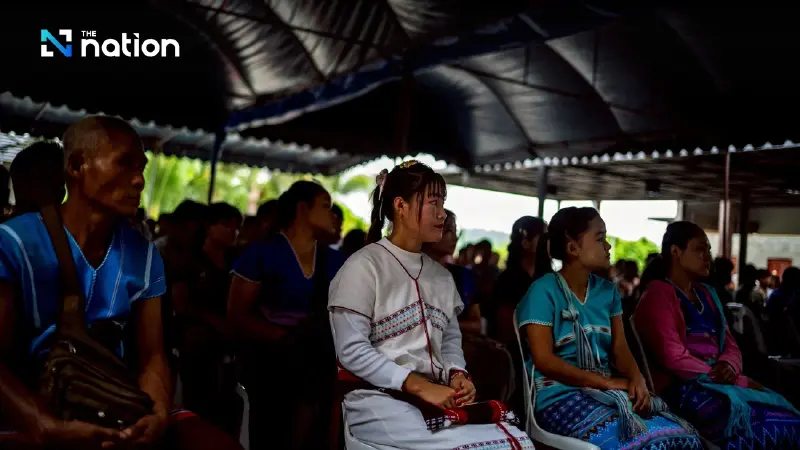


Thailand's security, budget, and border safety are inextricably linked to Myanmar's December 28 poll; experts warn election may exacerbate ongoing conflict and crime
- The election's outcome will directly impact the level of conflict, which already costs Thailand over 300 million Baht annually in humanitarian aid and border management for displaced people.
- Instability in Myanmar, which the poll may worsen, has created havens for transnational crime, including drug production and scammer operations that directly harm Thai citizens and its economy.
- Thailand's border safety is at risk from the conflict, with incidents of cross-border shelling and armed incursions that are likely to continue or increase if the election fails to de-escalate violence.
- The election is unlikely to be nationwide or inclusive, meaning the military will retain power, and the root causes of the conflict—and its spillover effects on Thailand—will likely persist.
An Opinion Piece by the Border Security Affairs Project, Chiang Mai University
Thailand's security, budget, and border safety are inextricably linked to Myanmar's December 28 poll; experts warn election may exacerbate ongoing conflict and crime.
The Myanmar election scheduled for 28 December 2025 is more than just an internal event for our neighbour.
Its outcome will be inextricably linked to "Thai security," affecting everything from the national budget and transnational crime to the status of armed groups and the safety of people living in border areas.
This article summarises three major reasons and five crucial facts that the Thai public needs to know about this upcoming election.

3 Reasons Why Thailand Must Prioritise Myanmar's Election
1. Thailand Bears an Annual Cost of Over 300 Million Baht from War Impacts The protracted conflict has led to a constant influx of people fleeing fighting along the border.
Data from the UN and Thai security agencies indicate that Thailand must spend no less than 300 to 500 million Baht annually to provide humanitarian care, including medical aid, food, emergency shelter, and border safety coordination.
The flow of displaced persons is likely to increase following the intensification of fighting in Kayin, Kayah (Karenni), and Shan States between 2023 and 2025, forcing Thailand to prepare greater budgets and staff resources.
2. Myanmar is a Source of Transnational Crime Directly Impacting Thailand Areas rendered ungoverned by the war have become breeding grounds for several illegal businesses, including:
Narcotics from northern Shan State, which remains the main production source for the region.
Transnational scammer hubs in Myawaddy, Kachin State, and areas under ethnic armed groups such as the United Wa State Army (UWSA) and Kokang groups.
Numerous Thai workers have been lured or tricked into working at scam centres in Myanmar, while the financial damage from cybercrime continues to affect Thai citizens every year.

3. Border Fighting Immediately Affects Thai Safety Incidents of cross-border shooting, armed group incursions into Thai territory, and artillery shells landing in Thai villages have occurred repeatedly over the past two years, particularly in Mae Sot, Sop Moei, and Phop Phra.
There is a high risk that if the election fails to de-escalate the conflict, Thailand will continue to face such incidents, potentially with increased severity.
5 Crucial Facts to Know About Myanmar’s 2025 Election
1. It is Not a Nationwide Election—Only Areas with "No Fighting" Will Vote Fighting persists across 50–60% of Myanmar’s territory, meaning polls will only be opened in limited areas securely controlled by the Myanmar military (Tatmadaw).
It is anticipated that less than 20% of the population will actually be able to cast a ballot. Areas controlled by the opposition, such as Kayin, Kayah, Shan State, and most of the Sagaing Region—many of which border Thailand—will not hold elections at all.
2. Ethnic and Opposition Parties are Mostly Excluded The military-appointed Union Election Commission has restricted the rights of numerous political parties, particularly ethnic minority groups and parties that supported the former civilian government.
Consequently, the only parties genuinely competing will be those close to the military, such as the Union Solidarity and Development Party (USDP), or newly established affiliated networks.
Campaigning is strictly controlled, with heavy restrictions on media and political gatherings.
3. Most International Bodies Will Not Endorse the Results Western countries such as the US, Canada, and the European Union, along with several international organisations, have clearly stated they will not recognise the election results due to a lack of transparency and severe human rights constraints.
Countries with more supportive stances include China, India, and Russia, driven by regional security concerns and strategic interests.
4. The Election Takes Place Amidst a Major Humanitarian Crisis While ASEAN’s Five-Point Consensus has not been genuinely implemented, the humanitarian situation continues to deteriorate:
- Over 3.1 million people are internally displaced.
- More than 1,000 attacks on civilians, schools, and hospitals occur annually.
- Many regions remain cut off from humanitarian aid.
This dire situation means the election cannot genuinely reflect the will of the majority of the population.
5. Everything Remains Governed by the 2008 Constitution, Guaranteeing Military Power Even after the election, the military retains control over:
- 25% of the seats in Parliament.
- Three key ministries: Defence, Home Affairs, and Border Affairs.
- The authority to select the President via a parliamentary system that the military can effectively direct.
This structure was a root cause of conflict starting in 2010 and remains a fundamental obstacle to peacebuilding.

Conclusion
In summary, Thailand stands to be the most affected if the election fails to reduce conflict.
Should the 28 December election not lead to a reduction in violence or genuine political negotiation, tensions will rise, and Thailand may face:
- A vast increase in the number of refugees.
- More frequent border skirmishes.
- Worsening drug and scammer problems.
- A continuously increasing burden on the state budget.
The Thai public must pay close attention, as the future security of Myanmar in 2025 is inseparably linked to Thailand's own security.
