
Takaichi weighs two-year 1 per cent food tax cut from next April


Japan’s government is studying a temporary food tax reduction while weighing register upgrade costs, funding hurdles and calls for a refundable credit.
- The Japanese government is considering cutting the consumption tax on food to 1% for a two-year period, starting next April.
- This 1% rate is being considered over a previously pledged 0% rate because it would allow for a quicker implementation, taking about six months to update cash register systems compared to a full year.
- A major obstacle to the plan is the need to secure approximately 4 trillion yen annually to finance the tax cut.
- The final decision is pending further debate and consideration of public opinion, with a refundable tax credit program also being discussed as an alternative.
The government of Japanese Prime Minister Sanae Takaichi is looking at cutting the consumption tax rate on food to 1 per cent for two years from next April, despite her pledge during February’s general election campaign to reduce the rate to zero, it was learned on Tuesday (June 2).
The 1 per cent option is being considered because it would take retailers less time to modify cash register systems, allowing the measure to be introduced more quickly.
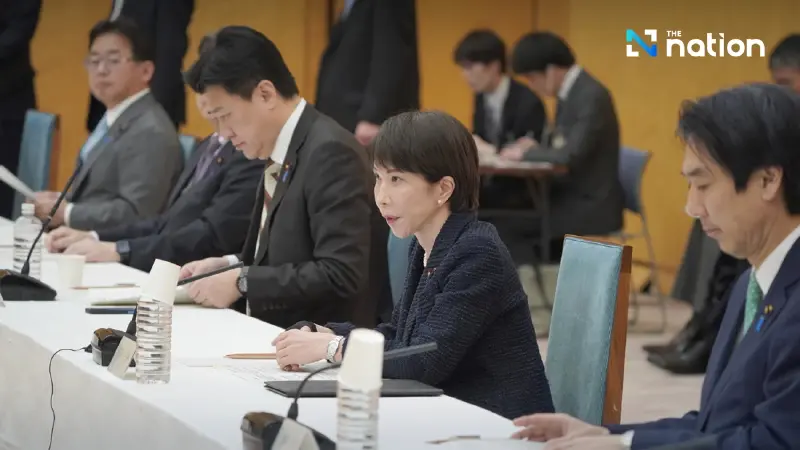
The government and the ruling parties are expected to choose a course of action after taking into account the debate at a cross-party national council and the direction of public opinion.
A working-level session of the National Council on Social Security is scheduled for Wednesday to speed up discussions on both a food consumption tax cut and a refundable tax credit programme. The council is seeking to reach an interim agreement by the end of this month.
In hearings held by the council so far, major cash register system suppliers have said system changes for a zero per cent food tax rate would take about one year, while a shift to a 1 per cent rate would require only around six months.
Support is growing within the government and ruling parties for revising Takaichi’s election pledge so that the administration can respond more quickly to rising consumer prices.
Even so, the 1 per cent plan would still face major obstacles, particularly the need to secure roughly 4 trillion yen a year to fund the tax cut. Takaichi has said the government will not use deficit-covering bonds, but it remains uncertain whether that stance can be maintained.
To limit possible public criticism of adopting the 1 per cent option, the government may allocate about 600 billion yen, the amount equivalent to revenue from a 1 per cent tax rate, to subsidies for cash register upgrades.
At the same time, many experts and industry representatives taking part in the national council have urged the government to introduce the refundable tax credit programme at an early stage instead of carrying out the consumption tax cut.

[Copyright The Jiji Press, Ltd.]
