
US bans seafood imports from Vietnam, opening door for Thai exporters
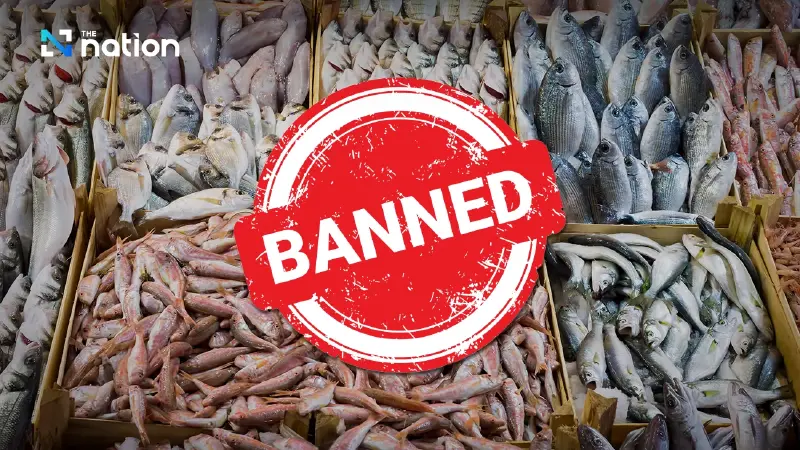


The United States has suspended seafood imports from 12 Vietnamese fisheries since 1 January 2026 for failing to meet requirements under the Marine Mammal Protection Act (MMPA), a move that could open the door for Thai exporters.
- The U.S. will ban seafood imports from 12 major Vietnamese fishing grounds effective January 1, 2026, for failing to meet the standards of the Marine Mammal Protection Act.
- This ban is expected to create a supply gap in the U.S. market, particularly for tuna, squid, and crab, presenting a strategic opportunity for Thai exporters to increase their market share.
- Thailand is well-positioned to fill this void due to its strong fishery regulations, but its exporters must maintain meticulous documentation and supply chain traceability to meet stringent U.S. environmental mandates.
Effective January 1, 2026, the export of fishery products from 12 major Vietnamese fishing grounds to the United States has been officially suspended.
This disruption follows a formal decision by the National Oceanic and Atmospheric Administration (NOAA) to deny "comparability findings" for these regions, citing failure to meet the rigorous standards of the Marine Mammal Protection Act (MMPA).
According to a strategic analysis by the Thai Trade Centre in Ho Chi Minh City, this enforcement marks a significant shift in the competitive landscape of the US seafood market.
In the short term, the suspension is expected to create a substantial supply vacuum, particularly for commodities where Vietnam has traditionally held a dominant market share, such as tuna, squid, and crab.
This market gap presents a strategic window for other regional exporters, most notably Thailand, to step in and secure a larger share of the U market.
Beyond the immediate commercial impact, the move signals that environmental and sustainability benchmarks have evolved from optional technicalities into mandatory structural pillars of global trade.
For Thai domestic operators, the US measure serves as both a lucrative opening and a critical policy warning.
Thailand is well-positioned to leverage its robust fishery regulatory framework and adherence to international monitoring standards to bolster the confidence of American importers.
However, the analysis warns that the risk of increasingly stringent environmental mandates remains high.
To safeguard future market access, Thai exporters must prioritise meticulous documentation, including Certificates of Admissibility (COA), and ensure full traceability across the entire supply chain.
The implications also extend to Thai enterprises with direct investments or operations in Vietnam.
While these businesses may face immediate production and export challenges, the situation offers a long-term strategic opportunity to lead technology transfers and implement sustainable management practices.
By helping Vietnamese fisheries align with MMPA requirements, Thai investors can play a pivotal role in upgrading the region's industry.
Ultimately, this development underscores an urgent need for the Thai fishery sector to pivot from price-driven competition toward a strategy anchored in high standards and sustainability, the new essential factors for maintaining a competitive edge in the global arena.
