
New Thai FDA rules tighten adverts for supplements and infant food
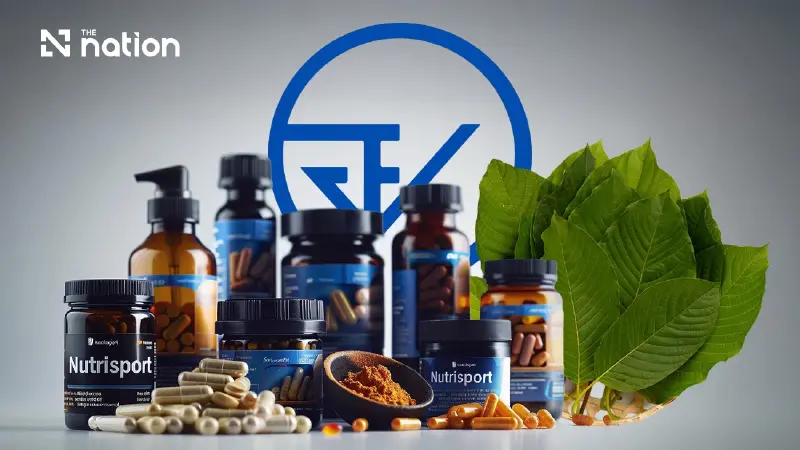


Effective Tuesday (July 28, 2026), the rules ban misleading claims, set age limits for models and restrict adverts for infant foods and certain supplements.
- The new rules prohibit all advertising for foods for infants and follow-up formula for infants aged 6-12 months.
- Dietary supplement advertisements are now forbidden from using models who are under 15 years old or pregnant.
- Specific restrictions apply to ads for supplements containing kratom or cannabis/hemp, banning certain health claims and the use of models from at-risk groups like children or pregnant women.
- The regulations broadly forbid unfair, false, or deceptive advertising messages and place strict limitations on doctors to prevent their professional credibility from being used as a product endorsement.
The Royal Gazette on Monday (July 27, 2026) published the Food and Drug Administration (FDA) Notification on Food Advertising Criteria 2026.
Signed by FDA Secretary-General Supattra Boonserm, it took effect on Tuesday (July 28, 2026).
Unfair messages to consumers prohibited
Key provisions define “food advertising” as any act, carried out by any means, that enables the public to see or become aware of messages about food or its ingredients for commercial purposes.
A “message” includes text, audio messages, sounds, images, pictures, marks, signs, symbols or any other act capable of conveying meaning.
Food advertising must not use messages that are unfair to consumers or may harm society as a whole. Examples include messages falsely suggesting that a food contains a particular substance or ingredient when it does not, or that it is present in the quantity implied by the advert; messages causing misunderstanding or confusion about the nature of a food or how it should be consumed; and messages that may cause division or damage unity among the public.
Dietary supplement adverts may not feature anyone under 15
Advertising claims about the benefits, quality or properties of food must not be false or deceptive or induce unwarranted belief.
Advertising is prohibited for foods for infants, follow-up formula labelled for infants aged 6–12 months and complementary foods for infants.
Models appearing in dietary supplement adverts must be aged 15 or over and may not be pregnant women.
Dietary supplements containing kratom
Advertisements for dietary supplements containing kratom must not imply that the products may be consumed by children, young people, people under 18, pregnant women or breastfeeding women. Models must not be drawn from any of these groups.
Advertisements may not present the effects of consuming dietary supplements containing kratom or mitragynine for purposes unrelated to the properties of food, such as greater endurance at work, stress relief, antidepressant effects or pain relief, or use wording with similar meaning.
They must also not show methods of consumption or misuse.
Foods containing hemp seed ingredients
The rules also cover foods containing hemp seeds, hemp seed oil or hemp seed protein, foods containing parts of cannabis or hemp, and foods containing cannabidiol extracts.
Advertisements must not imply that these products may be consumed by children, young people, people under 20, pregnant women or breastfeeding women, including through the use of cartoon images.
Models may not be drawn from any of these groups.
Advertisements may not depict effects of cannabis, hemp or THC linked to misuse or purposes unrelated to the properties of the food, such as uncontrolled laughter, helping consumers sleep, sleep more deeply or sleep longer, euphoria or relaxation, or use wording with similar meaning.
They must also not create the false impression that cannabis or hemp inflorescences are used in food or promote their use in food.
Images or symbols of cannabis or hemp parts must not misrepresent the ingredients used.
For example, food products containing hemp seeds or hemp seed oil may display only images of hemp seeds.
Doctors warned over academic presentations
ACM Ittaporn Kanacharoen, MD, secretary-general of the Medical Council of Thailand, said the notice was important for fellow doctors, particularly those invited to give lectures or interviews, join panel discussions or livestreams, produce video clips, or provide academic information on food, nutrition, dietary supplements and health products.
He outlined the following precautions:
- Doctors must clearly distinguish “providing academic information” from “sales promotion”. They may provide academic information on food, nutrition and health, but should check who is organising and sponsoring the activity and what its purpose is.
- Doctors should not state that food or dietary supplements can treat diseases.
- Doctors should not guarantee outcomes or use exaggerated claims.
- Doctors should be careful not to allow their professional status to be used as a product endorsement. A doctor’s name, photograph, voice, academic title, workplace, uniform or white coat can influence public trust and should not be presented in a way that leads people to believe that a product is “recommended by doctors”, “endorsed by doctors”, “confirmed by experts” or “medically approved”. Even when a doctor does not directly endorse a product, placing their image or words alongside a product, promotion or purchase link may lead the public to that conclusion.
- Research claims must correspond to the actual product. Results from studies using high doses of extracts or in-vitro studies should not be presented in a way that leads the public to believe that a finished product on sale will produce the same effects in humans.
- The phrase “supported by research” must be accompanied by details and be verifiable.
- Doctors should exercise caution when recounting personal experiences or patient cases. Individual experiences cannot replace academic evidence, while outcomes may be affected by other factors, including treatment, medication, diet, exercise or changes in health behaviour.
- Doctors should take care with before-and-after images and product comparisons.
- Having an FDA registration number does not mean every claim is permitted. Claims about the quality, benefits or properties of food must comply with the criteria. Where the law requires prior approval for advertising, approval must be obtained before publication.
- Doctors should request the complete final material rather than reviewing only the accompanying text. Before allowing their image, voice, or narration to be published, they should review the entire final version because accompanying images and text may alter its overall meaning or create claims that the doctor did not make.
- Doctors should set conditions prohibiting editing and use for unintended purposes.
- Doctors should disclose any relevant relationships or interests.
- Doctors must provide complete information on limitations and at-risk groups.
Seven questions before accepting an academic speaking engagement
- Who is organising the activity, and is the organiser involved in manufacturing or selling the product?
- Is the purpose of the activity to provide information, or does it also have a sales-promotion objective?
- Will a product name, logo, price, promotion or purchase link appear alongside the presentation?
- Will the organiser record images or audio, through which channels will the material be published, and for how long?
- Does the speaker have the right to review and approve the complete final material before publication?
- Is there an agreement prohibiting editing, the addition of endorsements and use for unintended purposes?
- After seeing the complete material, will the public understand it as academic information or believe that the doctor is recommending or endorsing the product?
“Doctors may lecture, provide education and explain scientific principles relating to food, nutrition and health. However, they must ensure that their name, image, voice, title or professional credibility is not used as a sales tool or to make the public believe that they endorse a product. The principle is that doctors may provide academic knowledge, but must not allow that knowledge or their credibility to be edited or used as a product endorsement,” Ittaporn said.
