
Phetchaburi showcases sweet, salty, sour in UNESCO gastronomy network
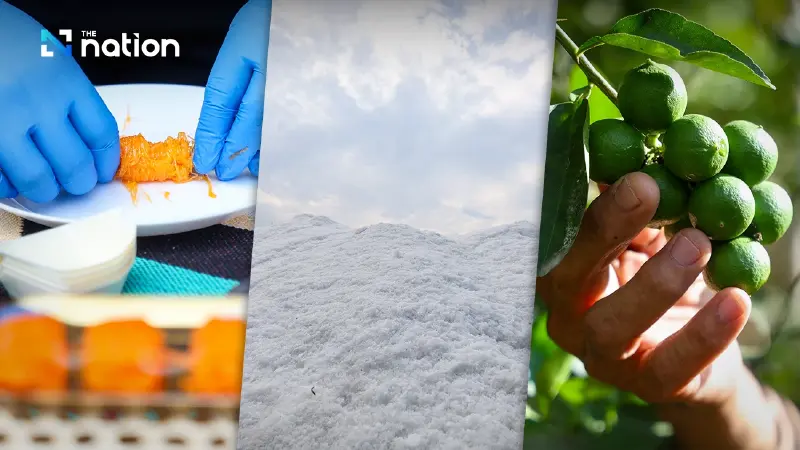


Phetchaburi, named a UNESCO Creative City of Gastronomy in 2021, celebrates its “three flavours” identity—sweet, salty and sour.
Located on the western shore of the Gulf of Thailand, about 123 kilometres south-west of Bangkok, Phetchaburi—literally meaning the “City of Diamonds”—is rich in natural resources and culinary expertise, supported by abundant biodiversity and varied ecosystems.
The province was designated a “Creative City of Gastronomy” in November 2021 by the United Nations Educational, Scientific and Cultural Organisation (UNESCO).
Phuket was earlier included in UNESCO’s Creative Cities Network (UCCN) in the field of gastronomy, followed by Phetchaburi in 2021 and Songkhla in 2025.

City of three flavours
Phetchaburi is renowned for its high-quality ingredients, refined by local artisan producers over generations, forming the foundation of the province’s gastronomic excellence and traditions.
It is also known as the “City of Three Flavours” because it is a key local source of ingredients that represent three distinctive tastes:
- Sweet: derived from toddy palms used to produce palm sugar and desserts such as Khanom Mo Kaeng Sangkhaya (Thai custard), Khanom Tan (toddy palm cake) and Foi Thong (golden egg yolk threads). Phetchaburi’s palm sugar is regarded as among the best in the world.
- Salty: mainly from sea salt farms in Ban Laem district, one of Thailand’s largest sea salt producers. The local sea salt shapes the savoury, distinctive flavour profile central to Phetchaburi’s culinary heritage.
- Sour: largely from the geographical indication (GI)-registered lime, Manao Paen Ramphai, which is round with a thin peel and yields plentiful, aromatic sour juice. It is widely grown in Tha Yang and Ban Lat districts and has become a major cash crop for the province.

“When these three flavours come together, we look at the dishes—and you won’t find any without saltiness, sourness and sweetness. They’re all there,” said Wanpen Mungsri, deputy governor of Phetchaburi.
“That is why Phetchaburi tells the story of being a city of three flavours, which together create savoury dishes, desserts and drinks.”
She explained that by applying to become a UNESCO Creative City of Gastronomy, the benefits would reach people across the entire supply chain—from upstream producers such as rice, vegetable and fruit growers, and livestock farmers who provide safe raw materials, through to entrepreneurs and consumers—ultimately benefiting the whole province.
“Our province is focused on driving food as a creative city,” she said, adding that Phetchaburi’s strengths in both arts and dining would be developed together.

Protecting heritage recipes while creating new dishes
As a member of UCCN, Phetchaburi has emphasised protecting traditional recipes preserved within local communities, while adapting its cuisine for wider national and global engagement.
The province has also developed new dishes in response to changing market demand and the preferences of new-era consumers.
Wanpen said support for Phetchaburi’s development as a food city has been built into the province’s development strategy. She added that the work covers the entire system—prioritising safe upstream production, promoting chefs, boosting gastronomic tourism, and helping communities identify and showcase their local food stories.
Among the best-known local dishes that blend sweet, salty and sour flavours are Kaeng Khua Hua Tan (toddy palm curry), Khao Chae (cooked rice soaked in scented iced water served with savoury side dishes), and Kuaitiao Nam Daeng (red soup noodles).
“Phetchaburi is an abundant province. To the west, we have the Tanaosri mountain range, which provides freshwater ingredients and freshwater fish. To the east, we have the sea along the Gulf of Thailand. In the middle, we have lowland plains, with agriculture and livestock operators. That advantage means we have a wide variety of food,” she said.

She said the province organises events that bring together all sectors—government agencies, communities, local organisations and the private sector, including the Thai Chamber of Commerce and the Federation of Thai Industries—to promote food festivals.
Food is also integrated into every major provincial event, she added, citing the Phra Nakhon Khiri–Mueang Phet Festival, which features more than 200–300 community vendors.
Wanpen said Phetchaburi also has food products that can be processed into new offerings to add value and strengthen its identity as a gastronomy city.
After Phetchaburi was named a creative city of gastronomy in 2021, the province generated around 27 billion baht in annual revenue as the post-pandemic recovery took hold. By 2025, revenue had risen to about 34 billion baht.
Tourist numbers increased from just over nine million previously to more than 10 million. Thai visitors previously accounted for about 90% of tourists, with foreign visitors at 10%. She said the split has since shifted to around 80% Thai and 20% international.
Wanpen said most visitors travel to Phetchaburi because it is close to Bangkok, making it easy to visit as a day trip or stay overnight—typically no more than one or two nights. Many stay in the city and come specifically to eat, including following “food trails” linked to Phetchaburi’s creative city status.
“What matters about being a gastronomy city is adding value to food, turning it into economic value, generating tourism and income,” she said.

Shifting from “sea, sand and sun” to quality tourism
Thananda Vijakkhana, deputy director of the Tourism Authority of Thailand (TAT) Phetchaburi Office, said that in the past the province was promoted for its tourism potential and diverse natural resources—mountains, rivers and the sea—with marketing focused largely on “sea, sand and sun”.
However, under the current national tourism policy set by TAT headquarters, the emphasis has shifted towards quality over quantity, with a focus on sustainable growth and tourist safety. “Phetchaburi is ready to welcome visitors. We are good hosts,” she said.
She said TAT, together with Phetchaburi province and partners across multiple sectors, is working on joint tourism activities this year, highlighting the province’s recognition within the world heritage-linked network for gastronomy.
Activities include organising chef’s table experiences and food booths, while the province is also running initiatives such as the Cha-am Inter project. Since around 80% of visitors are Thai, she said there are plans to expand efforts to attract more international tourists.
“We are happy to welcome foreign tourists to visit Phetchaburi. We will focus on promoting mental healing—visiting and being happy, feeling warmth like having a home or relatives here, and then going back to share good experiences,” she said.
She added that there is much more to discover in Phetchaburi, describing it as a charming and diverse city. She said the province also sees opportunities to add value by developing food in the direction of food as medicine and herbal ingredients, supporting future tourism offerings such as wellness travel and herbal spas.
“Phetchaburi has its own charm. Coming just once may not be enough because we have a wide range of attractions, lovely people, and good impressions waiting for you,” she concluded.
