
Ban on selling fuel in cans hits fishermen, threatens seafood supply
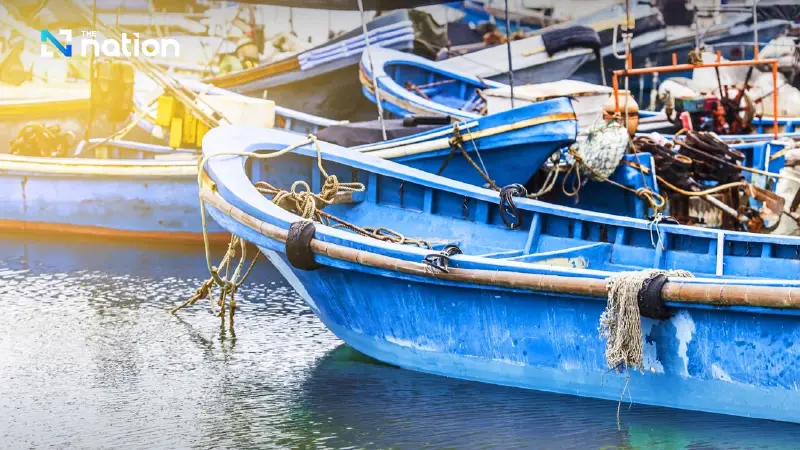


A ban on selling fuel in cans is hitting small-scale fishermen hard, raising fears of seafood shortages and rising costs across Thailand’s supply chain
A strict government measure banning the sale of fuel in cans is dealing a severe blow to fishermen, with small-scale operators unable to put to sea and growing fears of a knock-on effect that could lead to seafood shortages. At the same time, commercial fishing operators are also under pressure after the price of “green diesel” rose by 5 baht per litre.
On March 7, 2026, amid fighting in the Middle East that has affected oil shipments to Thailand, some petrol stations have suspended sales of certain fuel types and stopped selling fuel into cans under government measures aimed at preventing hoarding.

Although the policy is intended to manage fuel supplies during the crisis, it has had a serious impact on small-scale and traditional fishermen, who need to buy fuel in cans for use in small fishing boats because they are unable to bring their boats ashore to refuel directly at petrol stations.
Commercial fishing operators, or larger fishing vessels, are also being hit hard. Although “green diesel” remains available, its price was increased by 5 baht per litre on Friday, adding to their operating costs.
Kamon Kraiwatnussorn, vice-president of the Samut Sakhon Fisheries Association, who is also a fishing boat owner and fish trader at the Talay Thai market, told reporters that the current situation is having a major impact on fishermen, especially coastal and traditional fishing communities.
He said small-scale fishermen were at times unable to find fuel for their boat engines because some petrol stations would not sell fuel in cans. This was despite the fact that such fishermen regularly bought fuel from the same stations in order to carry out their work.

He said it should be clear that this group buys fuel in cans for genuine livelihood purposes and is not hoarding fuel. Yet some petrol stations still refuse to sell to them.
“If this continues, how are coastal fishermen supposed to take their boats out to catch fish and other aquatic animals?” he said.
He warned that the situation could not only destroy the livelihoods of coastal fishing communities, but also trigger wider disruption throughout the food supply chain. Without seafood reaching markets on land, supplies would fall and prices would have to rise. Ice suppliers would also be affected, while workers across the sector could face a greater risk of unemployment.
Kamon said the president of the Samut Sakhon Fisheries Association had already compiled information and submitted a complaint to the provincial authorities, calling for temporary relief measures for fishermen because the policy directly affects the livelihoods of many traditional fishing families.
He stressed that buying fuel in cans to refuel boats is a normal way of life in coastal fishing communities.
Kamon added that seafood prices had not yet increased, but they could not remain stable for much longer if fishermen were unable to bring in catches from the sea. Once supplies on land begin to shrink, prices will inevitably rise in line with market forces.
He said the hope among all types of fishermen in the current situation is that the government will be able to secure more fuel for domestic use. While the country has not yet reached the point of outright shortage, he warned that if the situation drags on, the consequences will become far more severe.
He also called on the government to consider assistance measures based on the fishermen’s demands, warning that without help, Thailand’s fishing industry could disappear altogether, bringing further knock-on effects for many other occupations as well.
