
FIFA’s Levi’s logo cover-up sparks World Cup marketing buzz
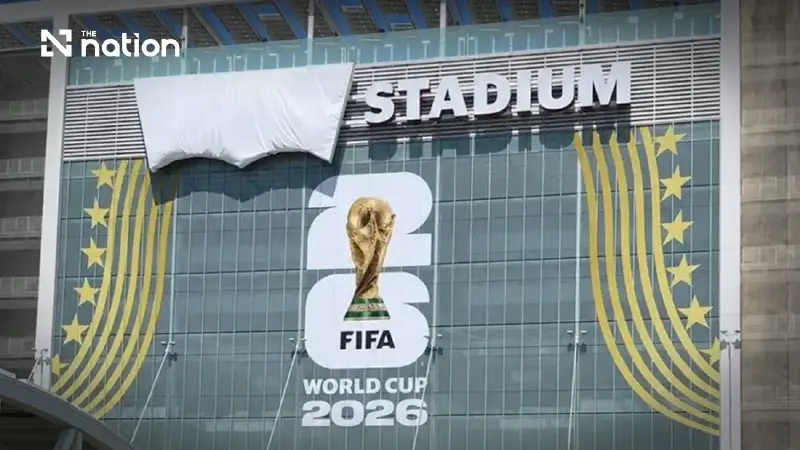


White tarpaulins over Levi’s logos at a 2026 World Cup venue drew online attention, giving the denim brand an unexpected marketing boost.
- FIFA covered the logos at Levi's Stadium because the brand is not an official World Cup sponsor, a standard procedure to protect the exclusive rights of official tournament partners.
- The attempt to hide the logo backfired, creating a "Streisand Effect" where the distinctive, covered-up shape went viral on social media, generating more attention for the brand.
- Levi's capitalized on the buzz with a clever real-time marketing response, changing its social media profile picture to the covered logo and posting humorous content that reinforced its rebellious brand image.
A viral issue emerged during the 2026 World Cup when Levi’s Stadium in Santa Clara, California, one of the venues for this year’s global tournament, came into focus.
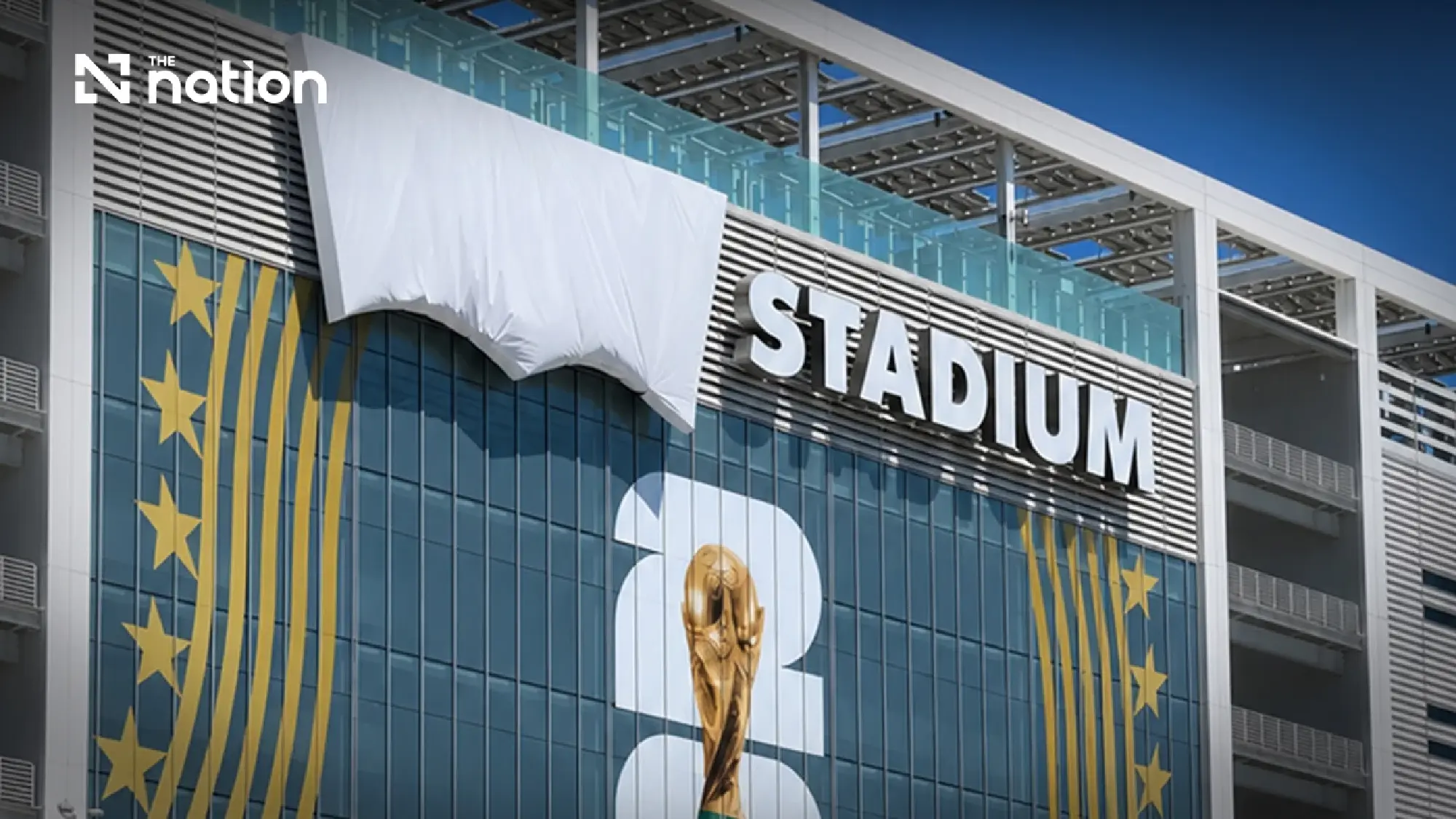
FIFA used “white tarpaulins” to cover Levi’s logos both around the entrance and above the scoreboard.
The stadium name was also required to be changed temporarily to “San Francisco Bay Area Stadium”.
Why did FIFA have to cover Levi’s logos
FIFA, football’s world governing body, has a business model that relies on huge funding from “main sponsors”, which pay several billion baht for exclusive advertising rights in the tournament.
Therefore, to protect those sponsors’ commercial interests, FIFA introduced rules requiring every match venue in the United States, Canada and Mexico to clear out 100% of other brands that are not official sponsors, even if those brands hold the original stadium naming rights.
The case of Levi’s Stadium was therefore unavoidable because Levi’s is not an official FIFA sponsor for this tournament.
Allowing its logo to appear prominently in a global broadcast was something FIFA rules would not permit.


“The more it is hidden”, the more people want to know and pay attention
But what FIFA may not have expected was that ordering a brand to be hidden in the digital age would create a marketing phenomenon known as the “Streisand Effect”, in which the more something is concealed or censored, the more attention it attracts and the faster it spreads.
When the white tarpaulins were placed over the logos, Levi’s distinctive curved shape did not disappear.
Instead, people became more interested.
Football fans and onlookers took photos and videos and shared them on social media until the issue went viral, asking with a touch of sarcasm: “What is that cover hiding? (because everyone knows it’s Levi’s)”
This proved the power of Levi’s strong “brand recognition”.
Even without letters, or with a canvas covering it, the “shape” could still communicate successfully with consumers on its own.
Decoding viral marketing: how Levi’s turned the game around and won over people worldwide
What made this case a “marketing lesson” was Levi’s decision to use cheeky real-time marketing to respond cleverly to FIFA’s strict rules.
As soon as the images of the covers became a trend, Levi’s changed the brand’s Instagram profile picture to a logo covered by canvas.
It also posted a stadium clip set to the popular viral sound “Nobody’s Gonna Know”, with a sharp caption that translates as: “Welcome the world to the beautiful [covered] stadium!” This display of humour and acceptance of its own iconic status won over internet users.
Reinforcing rebellious brand DNA: Levi’s identity as a jeans brand has long been tied to freedom, creativity and pop culture that does not like being boxed in.
By rising to “play around” with the tense and serious rules of a major organisation such as FIFA, the brand perfectly reinforced a cool, rebellious image in the eyes of modern consumers.
Creating revenue outside the stadium: Although it could not advertise inside the venue, Levi’s did not abandon the business opportunity.
It instead signed deals with major national-team football associations, including those of the United States, Mexico, England and France, to release fanwear collections for sale outside the stadium, allowing it to capture spending from football fans worldwide within the rules.
