
TCEB drives Thailand's MICE growth with global exhibitions
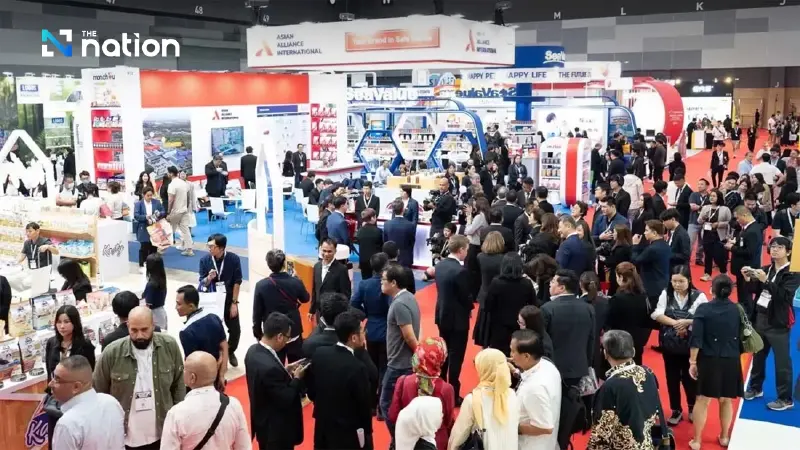


TCEB aims to transform the MICE industry into ASEAN's gateway, focusing on exhibitions, technology, sustainability, and key global events for 2026
The trend of the “Exhibition” market has changed significantly. It is no longer just a typical promotional event but has transformed into an “economic platform” by bringing in key policies from each country or region as highlights.
The Global Association of the Exhibition Industry (UFI) points out that the impact of exhibitions is that they serve as platforms where both “trade” and “investment” happen at every event. Wherever these platforms are located, investors and technologies will follow.

Supawan Teerarat, Director of the Thailand Convention and Exhibition Bureau (TCEB), stated that although Thailand has long been seen as a destination with more than just facilities and readiness for MICE (Meetings, Incentives, Conventions, and Exhibitions), which was once booming and generated over THB 200 billion in revenue in 2019 before COVID, neighbouring countries—especially in Southeast Asia—now have similar capabilities in terms of convention centres, hotels, and international flights. Therefore, for Thailand to succeed in the “Exhibition” sector, it needs to focus on the “issues” or economic trends at the regional level to compete effectively.
TCEB is therefore emphasising that Thailand is the Gateway of ASEAN for the exhibition market. Organisers can clone events from other countries or regions to be held in Thailand, where TCEB helps organisers connect with target groups, especially buyers, sellers, and visitors. By attending exhibitions in Thailand, visitors will not only meet Thai clients but clients from all over ASEAN as well.
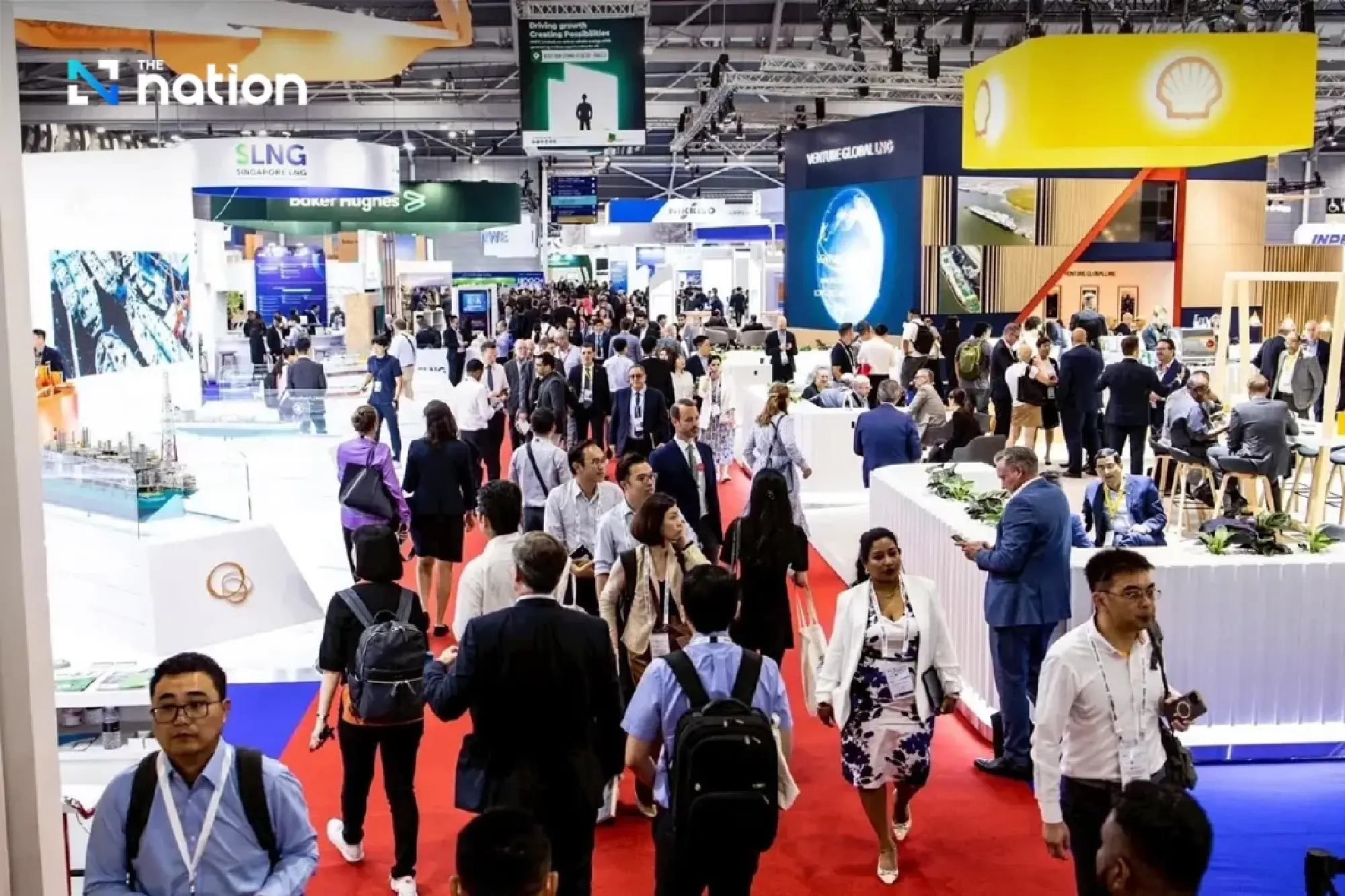

Target Industries to Boost Exhibition Growth in Thailand
The target industries for exhibitions in Thailand include:
Agriculture & Food Processing: Thailand is a leader in this sector, with large-scale events like Thaifex acting as magnets. In addition, events like Food Ingredients are also held in Thailand, which are as big as those in China.
Pet Industry: Thailand is the third-largest exporter of pet food in the world, making the pet sector a growing area for exhibitions.
Electric Vehicles (EV): In the past, Thailand was known as the “Detroit of Asia,” but now, manufacturers have quickly adapted to EV part and component production.
Wellness & Longevity: Thailand, as a medical hub and centre for medical tourism, is expanding into wellness and longevity, catering to the affluent youth market seeking holistic health solutions.
Digital Technology & Innovation: This sector has grown rapidly and now integrates with all industries. Exhibitions are evolving from traditional booth formats to a hybrid of festivals and summits, with successful examples like Gamescom Asia and Thailand Game Show, which were inspired by events in the U.S.
Sustainability: A Key Trend in 2026
A major trend moving forward in 2026 is sustainability, which, in the modern world, is no longer an option but a basic necessity. Just like Wi-Fi 20 years ago, sustainability is a fundamental requirement for global event organisers. They now seek venues that are not only easily accessible but also environmentally friendly.
Creating Platforms to Connect the Ecosystem
Supawan added that TCEB aims to differentiate Thai exhibitions by using both public and private sector data and technology to drive growth. This includes the launch of the “Jergan” app, designed to create better experiences for MICE travellers, allowing them to access local venues, communities, food, and activities around the event locations. TCEB has also introduced the “MICE Mongkol” platform in collaboration with Fastwork to connect freelancers in the MICE industry with event organisers.
At the same time, TCEB is continuing its efforts to reach “international markets” in 2026. In March, a roadshow will be held in Singapore, which serves as the headquarters for many businesses. In June and July, TCEB will collaborate with the Ministry of Commerce to set up the “Thailand Pavilion” in Shenzhen, China—China’s Silicon Valley. The pavilion will occupy a 5,000-square-metre space and aim to attract technology companies with high purchasing power to come to Thailand for MICE events.
Highlight Global Events for 2026:
In terms of major global MICE events, Thailand has been honoured with the opportunity to host the IMF-WBG Annual Meetings, also known as the “World Bank Meetings,” in 2026, after previously hosting it in 1991. The event is expected to bring over 50,000 participants and generate more than THB 20 billion in economic impact. Additionally, Thailand will host Gastech 2026, a global energy exhibition, from September 14-17, 2026, at the BITEC exhibition and convention centre. This is expected to attract more than 50,000 participants from government and private sectors worldwide, generating THB 14.62 billion in economic impact.
Bidding for COP33 and World Pride 2030
Regarding “global events,” TCEB is working closely with the Ministry of Natural Resources and Environment to bid for COP33 (the United Nations Climate Change Conference) in 2028. If awarded the bid, it will help enhance Thailand’s image as a regional leader in environmental issues and showcase Thailand’s commitment to building a better planet.
Additionally, TCEB is preparing to propose Thailand as the host for World Pride 2030, expecting to draw between 500,000 and 1 million participants. TCEB has already begun a global campaign for this bid and will know the results of the selection by the end of 2026.
At the same time, TCEB is working to promote the concept of “One Convention, One Ministry” by encouraging each ministry to bring major global events to Thailand.
